Your dedicated hub for the latest updates, expert analysis,
and thought leadership from Spheros Environmental.

Stay informed with updates, insights, and expert analysis that reflect how environmental science is applied in real-world decisions. From regulatory developments to emerging technical issues, our goal is to provide clarity you can rely on.

California Climate Disclosure Laws: What Companies Need to Know Now
SB 253 & SB 261: California’s climate disclosure requirements explained in a short webinar by Spheros' sustainability team.
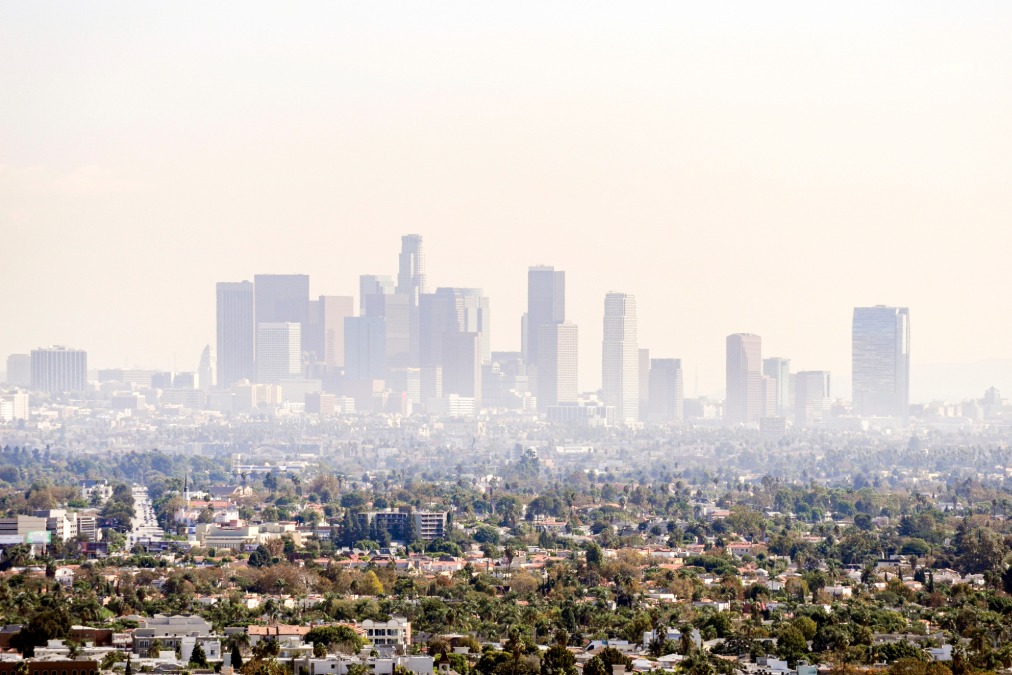
Under the Clean Air Act, an area designated for nonattainment for an NAAQS must develop and submit a State Implementation Plan (SIP). This document serves as a comprehensive, enforceable roadmap demonstrating how the area will come into compliance. For the 2024 PM2.5 standard, nonattainment area SIPs will be due within 18 months of the effective designation date, which was expected in February 2026.

As industries and governments face increasing pressure to reduce emissions and meet ambitious climate goals, carbon capture and sequestration (CCS) has emerged as a promising, if complex, solution. At its core, CCS treats carbon dioxide (CO2) emissions as a waste stream by capturing CO2 and permanently storing it deep underground.

What EPA's repeal of the 2009 GHG Endangerment Finding could mean

Every day, decisions that affect the air you breathe are guided by computer models that predict pollution levels. But what happens when those models don't match reality? That's exactly what our team set out to study in Houston, Texas, where pollution comes from a complex mix of traffic, shipping, and industrial sources.
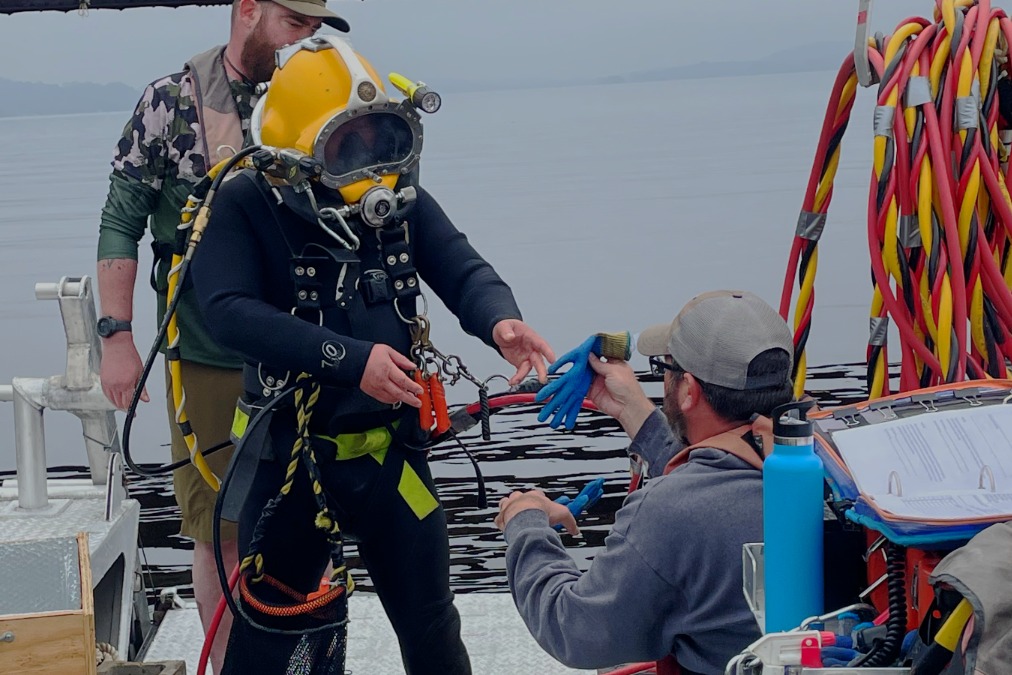
Selecting a qualified diving instructor or contractor is critical, as commercial diving is an inherently dangerous activity with significantly higher risks of injury and fatality than many other occupations. Before hiring, verify that the instructor meets applicable OSHA and ADCI standards, has the appropriate credentials and training, and maintains properly calibrated and maintained life-support diving equipment.
Spheros Environmental (Spheros), a nationwide environmental consulting firm, today announced the acquisition of PanGIS, Inc., a California-based firm specializing in cultural resource management, archaeology, architectural history, environmental compliance, and geographic information systems (GIS).

Water resources engineer Page Weil explains why useful forecasting begins with the decisions facing water managers, not with the volume of available data.
\Spheros Environmental (Spheros), a nationwide environmental consulting firm, today announced that it has completed its acquisition of Panorama Environmental, Inc., a San Francisco, California-based firm.

Most people think of fenceline monitoring as a robust answer to regulatory requirements. And while technically that may be true, it also can be a lot more than that. Fenceline monitoring may have begun as a method to measure and prove compliance, but beyond that, it’s become a valuable, real-time accountability system that connects facilities to the communities around them, regulators to the data they need to do their jobs, and project teams to real-time, site-specific conditions.

California's AB 2851 is set to reshape how metal shredding facilities monitor air quality at their fencelines. In this Spheros webinar, senior air quality scientists Josette Marrero, PhD and Ryan Moffet, PhD break down what the new law means, how regional air districts are implementing it, and how facilities can get ahead of the requirements.
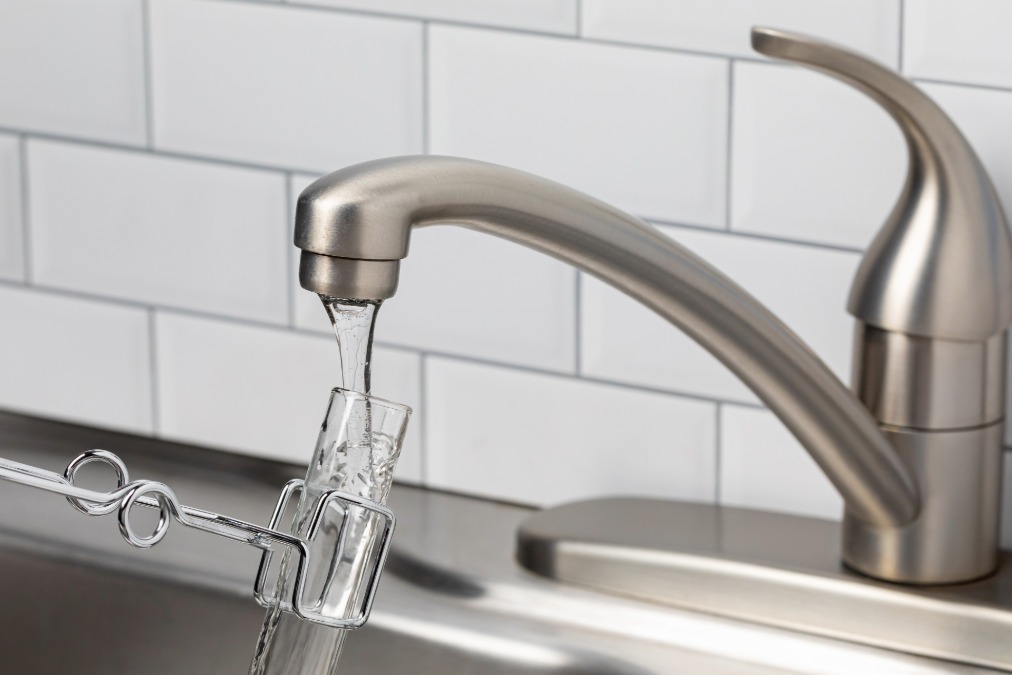
PFAS regulations continue to shift across drinking water, wastewater, cleanup liability, incineration, and air emissions, leaving many facilities with a familiar challenge: how to prepare for requirements that are still evolving.
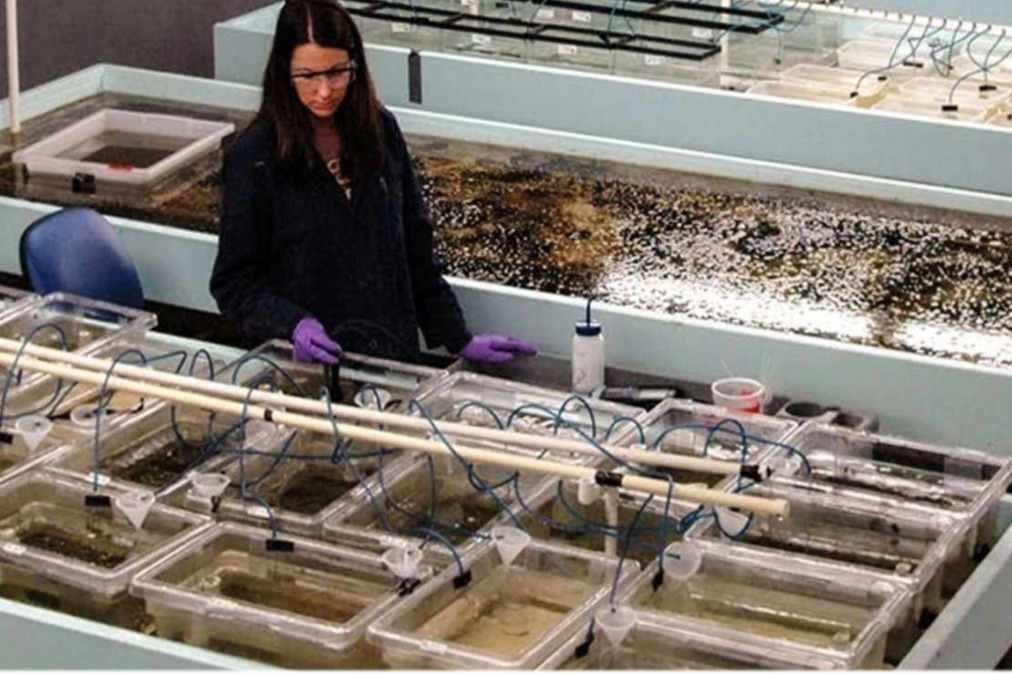
If your assessment program requires, or would benefit from, evaluating the potential toxicity of an environmental sample or a substance, you will need to identify a qualified, reliable and reputable laboratory.

Insights from a Lead Modeler: Science That Holds Up Under Scrutiny

New York State’s greenhouse gas (GHG) reporting requirements may apply to more facilities, suppliers, and other reporting entities than previous U.S. Environmental Protection Agency (EPA) reporting thresholds.

The demand for data centers has skyrocketed in recent years to support the exponential growth of data generation as a result of cloud computing, streaming, virtual collaboration, and especially the development of artificial intelligence (AI) platforms. These facilities are critical for innovation, economic growth, and technological competitiveness.

Spheros Environmental (Spheros), an environmental consulting firm delivering science-forward solutions across environmental disciplines, today announced its acquisition of KP Environmental, Inc., a consulting firm headquartered in Encinitas, California.

SB 253 & SB 261: California’s climate disclosure requirements explained in a short webinar by Spheros' sustainability team.

Spheros Environmental has been recognized by Environmental Business Journal® (EBJ) with two 2025 Business Achievement Awards for: Mergers & Acquisitions; Technology Merit: Environmental Monitoring & Modeling
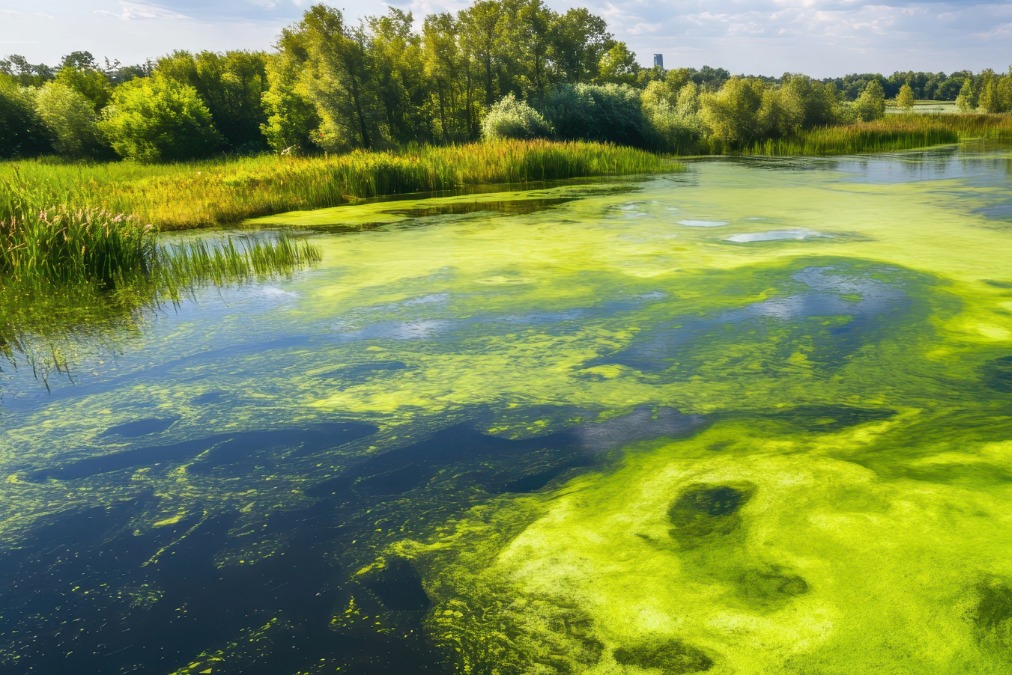
Testing water samples for toxins is critical for ensuring that animals, including humans and their furry friends, remain safe.

Whole Effluent Toxicity (WET) testing measures the collective toxic effect that all pollutants in wastewater have on aquatic organisms

This article explores why fenceline monitoring networks are being installed, the available technologies that can be included, and key considerations for industrial facilities.

With services ranging from ecological consulting and laboratory analysis to real-time air quality monitoring and water management, we provide data-driven solutions that support regulatory compliance, mitigate risks, and advance sustainability goals.

New updates on PFAS regulations were released in April 2025.

To minimize the potential impacts on the natural environment from these activities, local and national regulatory entities have established requirements for defining the current baseline ecological conditions.
A commentary on recent ETO updates from April 2025

We first reviewed the U.S. Environmental Protection Agency’s (EPA) PFAS Strategic Roadmap: 2021-2024 in March 2022, and have since posted periodic updates. With the recent conclusion of the 2021-2024 implementation period, we now reflect on accomplishments and speculate about potential future directions.
Spheros Environmental (Spheros), an environmental consulting firm delivering science-forward solutions across environmental disciplines, today announced its acquisition of EcoAnalysts.
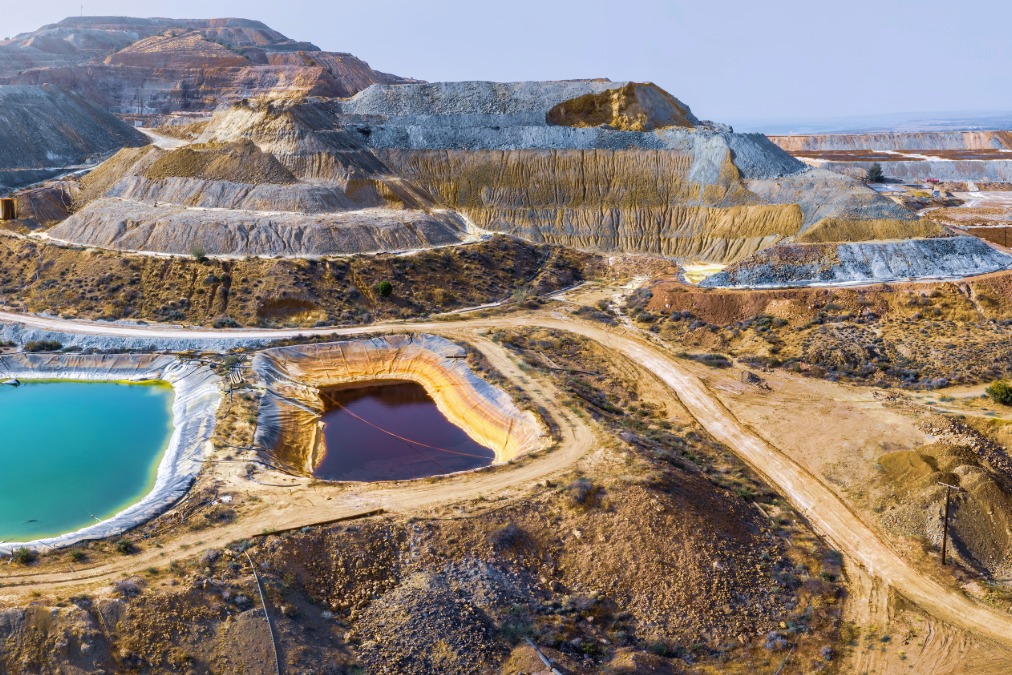
Leveraging our expertise in hydrogeology, geochemistry, water management, and mine waste management, we offer pragmatic and cost-effective strategies tailored to meet the specific needs of our clients.
Spheros Environmental Sets the Stage for Growth with Two Key Leadership Appointments --- Cortney Brand Appointed as Senior Vice President of Growth and Mergers & Acquisitions and Carolyn Nobel Appointed as Senior Vice President, Business Leader of LRE Water
HGL is a Golden, Colorado based firm that provides specialized domestic and international mining consulting services in geologic, hydrogeologic, and geochemical sciences with a focus on mine water and mine waste management.
We are excited to partner with investors that share our passion for water, and value the importance of leading with science. The compounding effects of increasing demand and supply vulnerability make water development and management increasingly complex.

Fenceline air monitoring is becoming an increasingly important tool for industrial facilities as regulatory agencies and communities seek greater transparency around emissions and air quality impacts. By combining technologies such as open-path spectroscopy, point monitors, passive samplers, and low-cost sensors, facilities can develop monitoring networks that support compliance, improve environmental stewardship, and provide real-time insights into potential emissions.
Spheros Environmental (formerly EcoAnalysts, Inc. (EA, Moscow, ID)), a leading provider of ecological field sampling, laboratory, and consulting services nationwide, announces the recent acquisition of Hydrosphere Research Environmental Services, Inc…

PFAS testing methods are rapidly advancing as researchers work to improve the detection, monitoring, and understanding of thousands of PFAS compounds across air, water, and soil. While standardized air monitoring methods are still emerging, new analytical technologies and evolving regulatory requirements are expected to drive broader testing capabilities and increased oversight in the years ahead.
PFAS are a large class of synthetic chemicals used in a wide range of products for their water, oil, grease, and heat-resistant properties, but growing concerns about their persistence in the environment and potential health impacts have led to increasing regulatory scrutiny. As federal and state agencies expand monitoring and enforcement efforts, industries across the PFAS lifecycle are preparing for evolving requirements related to measurement, reporting, and environmental management.
PFAS regulations are rapidly evolving as governments expand reporting requirements, develop new testing strategies, and establish stricter standards for protecting public health and the environment. With increasing attention on PFAS contamination in drinking water and other environmental media, businesses across multiple industries must stay informed as federal and state regulatory frameworks continue to develop.
Ethylene oxide (EtO) is a widely used industrial chemical whose high reactivity makes it valuable in manufacturing but also poses significant health risks, including respiratory effects, neurological impacts, and cancer from long-term exposure. As industries seek to monitor EtO at increasingly lower concentrations, advanced technologies such as infrared absorption analyzers and cavity ring-down spectroscopy are providing faster, more sensitive detection capabilities than traditional monitoring methods.
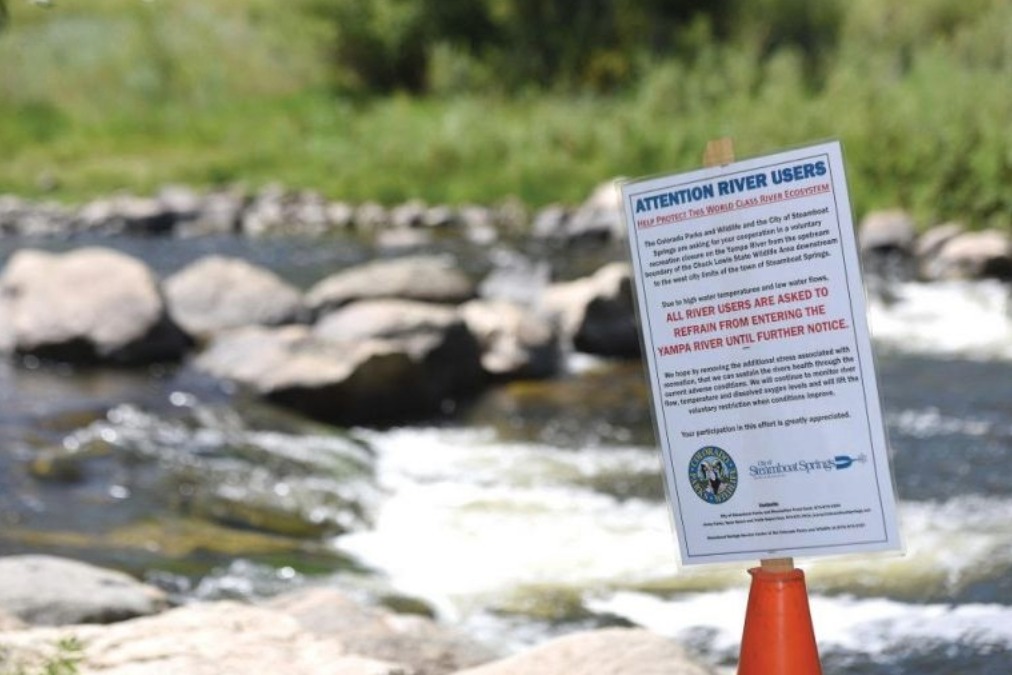
The City of Steamboat Springs partnered with Spheros Environmental to address complex Yampa River temperature issues threatening cold-water aquatic life through regulatory support, monitoring, modeling, and restoration strategies. LRE supported the City in securing a temporary temperature modification and developing innovative water quality trading approaches that could improve river health, reduce compliance costs, and provide broader environmental benefits.
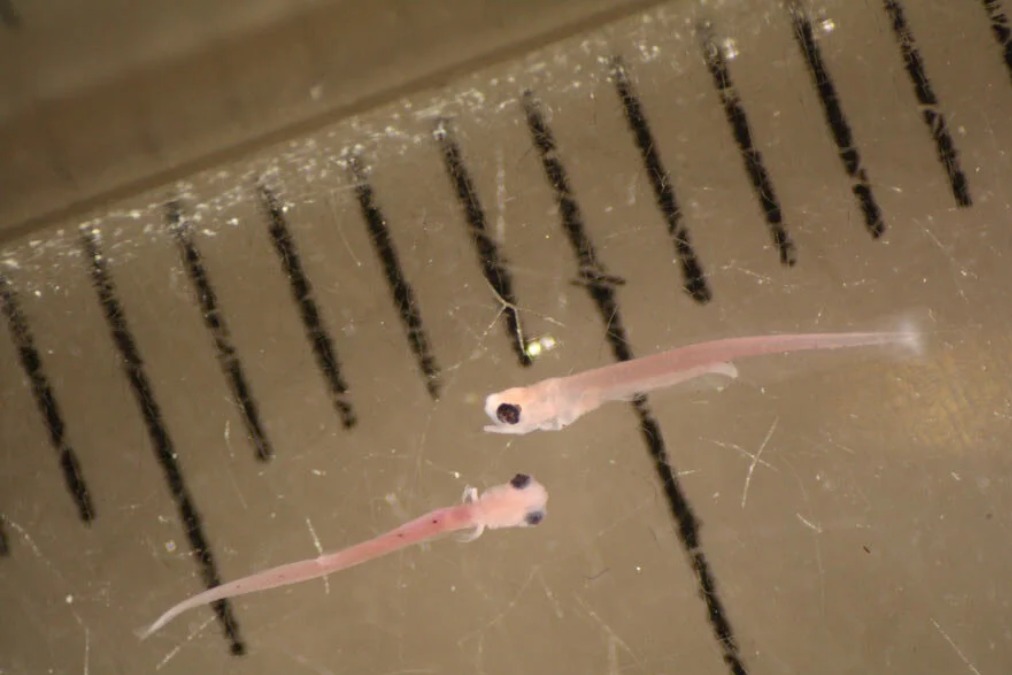
As part of a Clean Water Act 316(b) study, in-river ichthyoplankton samples were collected by the client to characterize baseline fish community populations in the river throughout the year. Entrainment samples were collected by filtering water in the plant behind the intake screen.

The NARS surveys are designed to assess the status and changes in the quality of the nation’s coastal waters, lakes and reservoirs, rivers and streams and wetlands.
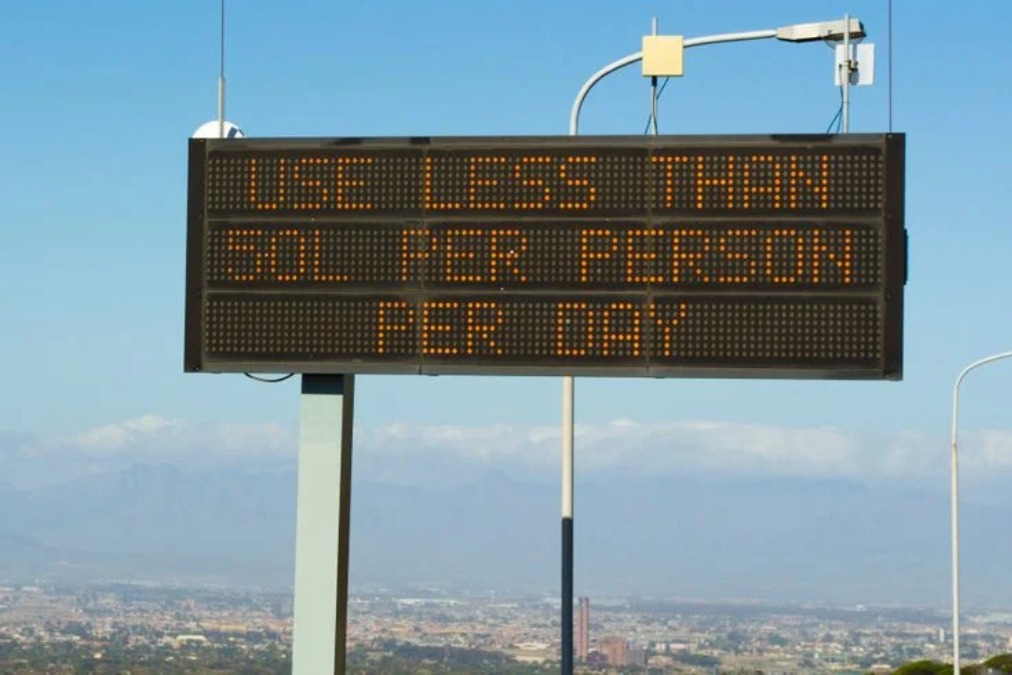
James Adamson and fellow researchers Thomas LaVanchy, PhD and Michael Kerwin, PhD recently published an article to draw attention to the confluence of water security factors in Cape Town.

The Metro and South Platte Basin Roundtables strongly advocate for the development of additional surface and groundwater storage, further research of aquifer storage and recovery (ASR), and investigation into additional off-channel storage and reservoir sites in the basin.

We have heard a lot about global warming and its impact on tropical rainforests - however, this phenomenon can have dramatic effects on temperate rainforests as well. A recent study published in BioScience examined the repercussions of glacier melt in temperate rainforest ecosystems, and how climate change will drive the future of nearshore aquatic ecology.

Measuring the health and conditions of an ecosystem is a complex, involved and daunting task that can be tackled in one of many ways. Bioassessment services have long been utilized for just this purpose, and increased understanding of the structure and function of ecosystems has driven advancement and acumen in the field. That may be why so many ecological research and assessment organizations are turning to bioassessment as a means for determining the integrity of ecosystems and establishing what steps need to be made for preservation purposes.

Nutrient pollution in the Mississippi River basin and surrounding waters has been an issue of great importance for water quality consultants, regulatory bodies and other invested parties. One organization that holds a stake in the efforts to curtail such pollution is the Hypoxia Task Force, which recently announced that it has created new strategies to speed up the reduction of nutrients in the waterways of the Mississippi-Atchafalaya River Basin.

With significant developments in all three branches of the federal government, 2025 ushered in fundamental changes to implementation of the National Environmental Policy Act (NEPA). Executive action reshaped agency procedures. The Supreme Court clarified the limits of judicial review. Congress continued to push statutory time limits.
What EPA's repeal of the 2009 GHG Endangerment Finding could mean

Spheros Environmental has moved up four spots to rank #184 on Engineering News-Record’s (ENR) Top 200 Environmental Firms List for 2025!
PFAS are persistent synthetic chemicals that accumulate in soil, water, and in tissues of organisms. Scientists are working to better understand their movement, persistence, and risks to ecological health.

Spheros Environmental acquires Ironwood Consulting, strengthening biological and environmental permitting services across the United States.

Using Riverbank Filtration to pretreat water can reduce treatment costs, simplify permitting, and improve public confidence in the safety of supply.

Using hydrodynamic simulations to site desalination plants responsibly and minimize environmental impacts.

Structured Decision Making (SDM) is bringing clarity to complex natural resource decisions

Expanding ecological and data services across the US, the acquisition enhances Spheros’ delivery capacity and regional depth in the Pacific Northwest and Midwest.
New updates on PFAS regulations were released in April 2025.
Spheros Environmental CEO, Andra Kidd, spoke to Environmental Business Journal in their latest edition.
New testing and measurement techniques for detecting airborne PFAS.
EPA released the final National Primary Drinking Water Regulation (NPDWR) on April 10, 2024.