Your dedicated hub for the latest updates, expert analysis,
and thought leadership from Spheros Environmental.

Stay informed with updates, insights, and expert analysis that reflect how environmental science is applied in real-world decisions. From regulatory developments to emerging technical issues, our goal is to provide clarity you can rely on.

California Climate Disclosure Laws: What Companies Need to Know Now
SB 253 & SB 261: California’s climate disclosure requirements explained in a short webinar by Spheros' sustainability team.

Spheros Environmental ranks No. 162 on Engineering News-Record’s (ENR) 2026 Top 200 Environmental Firms list, rising 22 spots from No. 184 in 2025. The milestone comes as we celebrate five years of bringing environmental science and practical judgment to clients’ most challenging questions.

As industries and governments face increasing pressure to reduce emissions and meet ambitious climate goals, carbon capture and sequestration (CCS) has emerged as a promising, if complex, solution. At its core, CCS treats carbon dioxide (CO2) emissions as a waste stream by capturing CO2 and permanently storing it deep underground.

What EPA's repeal of the 2009 GHG Endangerment Finding could mean

PFAS regulations continue to shift across drinking water, wastewater, cleanup liability, incineration, and air emissions, leaving many facilities with a familiar challenge: how to prepare for requirements that are still evolving.

New York State’s greenhouse gas (GHG) reporting requirements may apply to more facilities, suppliers, and other reporting entities than previous U.S. Environmental Protection Agency (EPA) reporting thresholds.

SB 253 & SB 261: California’s climate disclosure requirements explained in a short webinar by Spheros' sustainability team.

Spheros Environmental has been recognized by Environmental Business Journal® (EBJ) with two 2025 Business Achievement Awards for: Mergers & Acquisitions; Technology Merit: Environmental Monitoring & Modeling

We first reviewed the U.S. Environmental Protection Agency’s (EPA) PFAS Strategic Roadmap: 2021-2024 in March 2022, and have since posted periodic updates. With the recent conclusion of the 2021-2024 implementation period, we now reflect on accomplishments and speculate about potential future directions.
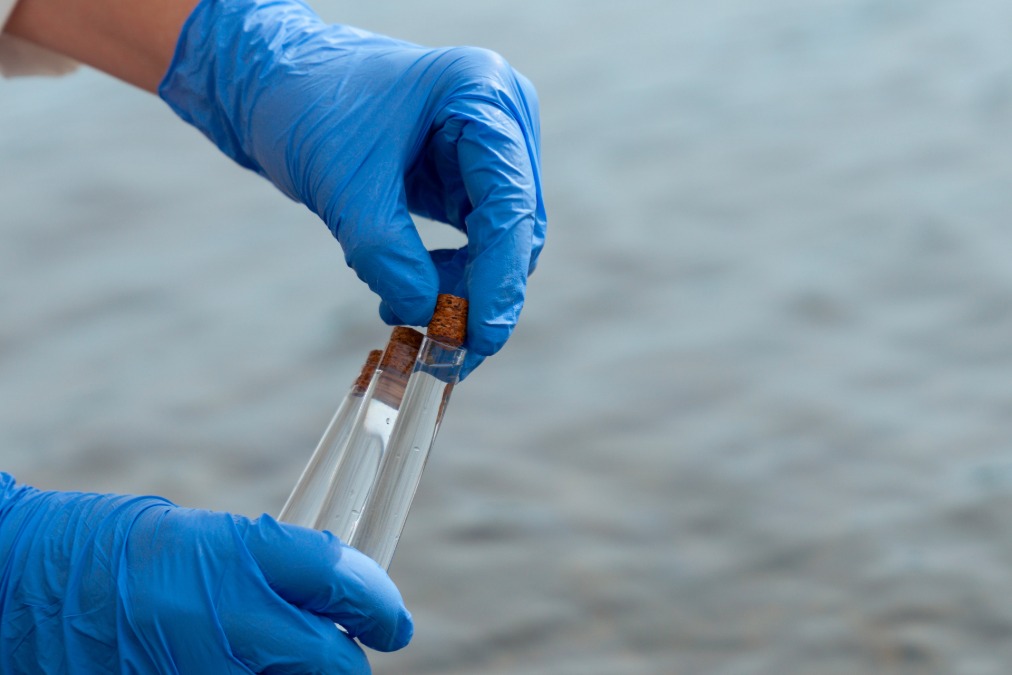
PFAS testing methods are rapidly advancing as researchers work to improve the detection, monitoring, and understanding of thousands of PFAS compounds across air, water, and soil. While standardized air monitoring methods are still emerging, new analytical technologies and evolving regulatory requirements are expected to drive broader testing capabilities and increased oversight in the years ahead.
PFAS are a large class of synthetic chemicals used in a wide range of products for their water, oil, grease, and heat-resistant properties, but growing concerns about their persistence in the environment and potential health impacts have led to increasing regulatory scrutiny. As federal and state agencies expand monitoring and enforcement efforts, industries across the PFAS lifecycle are preparing for evolving requirements related to measurement, reporting, and environmental management.
PFAS regulations are rapidly evolving as governments expand reporting requirements, develop new testing strategies, and establish stricter standards for protecting public health and the environment. With increasing attention on PFAS contamination in drinking water and other environmental media, businesses across multiple industries must stay informed as federal and state regulatory frameworks continue to develop.

We have heard a lot about global warming and its impact on tropical rainforests - however, this phenomenon can have dramatic effects on temperate rainforests as well. A recent study published in BioScience examined the repercussions of glacier melt in temperate rainforest ecosystems, and how climate change will drive the future of nearshore aquatic ecology.
What EPA's repeal of the 2009 GHG Endangerment Finding could mean
PFAS are persistent synthetic chemicals that accumulate in soil, water, and in tissues of organisms. Scientists are working to better understand their movement, persistence, and risks to ecological health.
New updates on PFAS regulations were released in April 2025.
Spheros Environmental CEO, Andra Kidd, spoke to Environmental Business Journal in their latest edition.