The Challenge
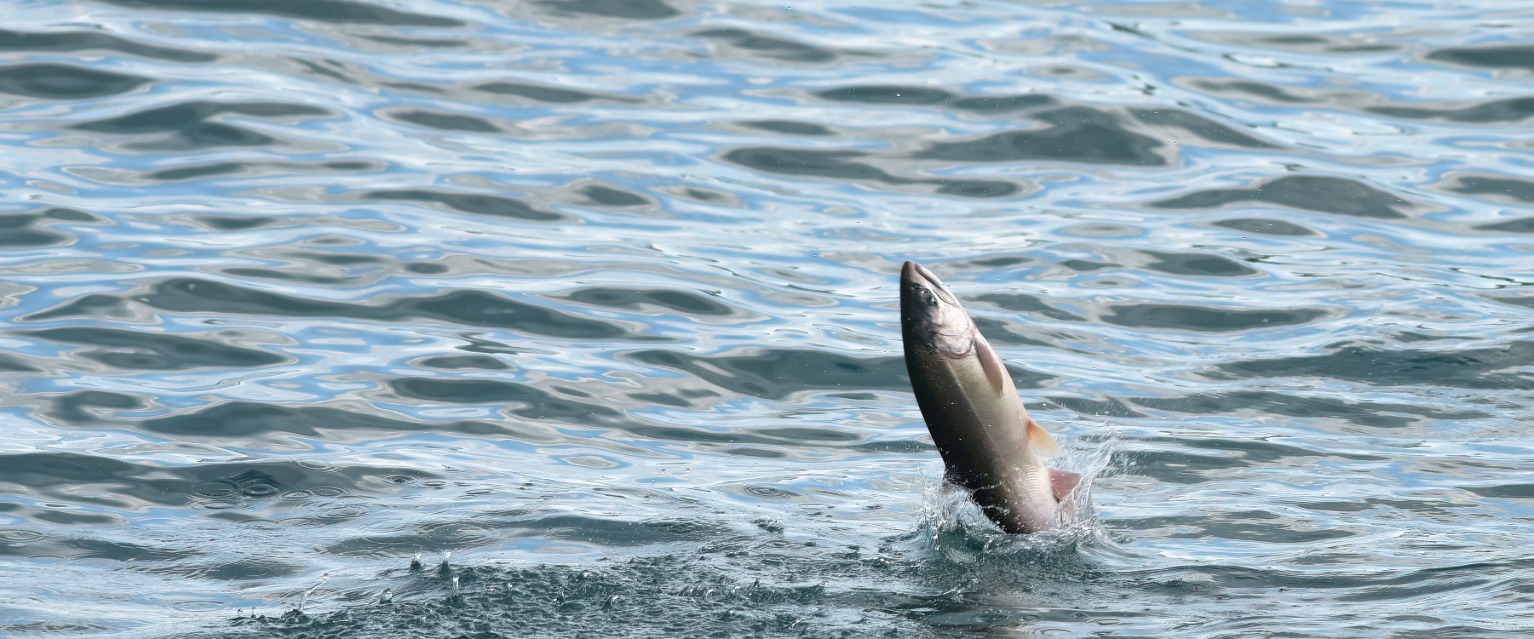
N-(1,3-Dimethylbutyl)-N′-phenyl-p-phenylenediamine (6PPD) is an antiozonant tire additive used to extend the life of tires. The ozonated byproduct, 6PPD-quinone, is found in roadway runoff and is causing mortality in coho salmon, before they are able to spawn, in stormwater-impacted watersheds throughout the Puget Sound basin. The Washington Department of Ecology is researching alternative antiozonant compounds that could be used to replace 6PPD in tires and reduce the toxicity of stormwater runoff.
Our Solution
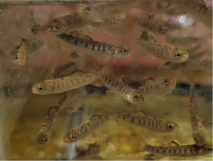
Spheros Environmental compared the relative toxicities of 6PPD and ten potential alternative tire antiozonants, as well as some of their ozonated byproducts, to rainbow trout (Oncorhynchus mykiss) as a stand in for coho salmon. The invertebrates Hyalella azteca and Ceriodaphnia dubia, food sources for juvenile salmon, were also tested to ensure that nontarget species were also not significantly affected by the alternative compounds.
Prime
Results +What makes this unique
Several promising alternatives to 6PPD were identified, as well as other compounds that were worse than 6PPD. The ozonated byproducts were in general more toxic than the parent compounds, as was seen for 6PPD. Fish species were more sensitive than invertebrates. The results will be used to inform future regulation on tire manufacturing for the state.
Project Experts