The Challenge
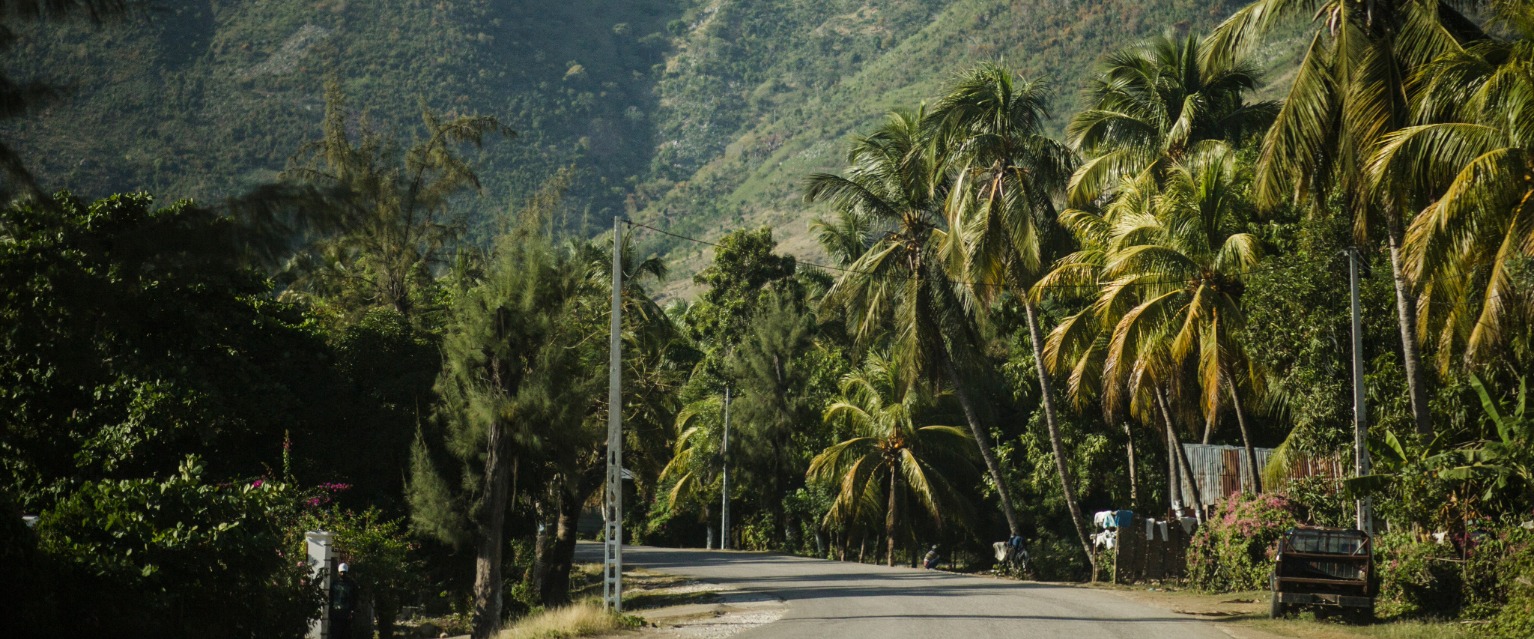
Communities in the western portion of Île de la Gonâve, Haiti, face severe water scarcity in one of the country’s most remote and challenging environments. Limited groundwater availability, difficult geology, and rugged terrain make identifying reliable water sources particularly complex.
For many residents, obtaining water requires walking up to 12 miles round-trip to access brackish supplies used primarily for cooking, cleaning, and animals. Concern Worldwide and DINEPA needed to identify viable groundwater resources that could support more reliable access to water for communities across the western portion of the island.
Our Solution
Spheros Environmental provided professional geology and geophysical services to support groundwater exploration on western Île de la Gonâve.
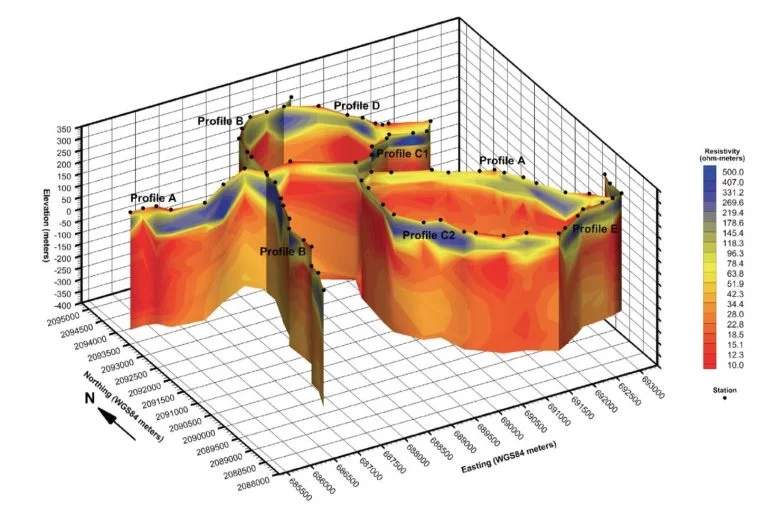
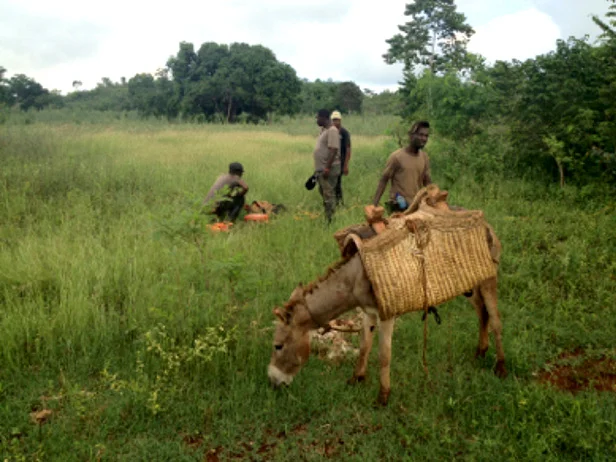
The team conducted hydrogeological reconnaissance and an electromagnetic geophysical investigation using CSAMT/MT technology to characterize subsurface conditions and identify promising groundwater targets. During a two-week field study, the team developed approximately 40 kilometers of regional resistivity transects across extremely remote and rugged terrain. Much of the investigation was completed on foot, with donkeys and mules used to transport equipment into areas with limited access.
Based on the results, Spheros identified two primary groundwater exploration areas: an upper plateau and a lower plain. Seven exploration drilling locations were recommended, with proposed drilling depths ranging from approximately 80 to 260 meters.
Results +What makes this unique
The investigation identified promising groundwater drilling targets in both the upper plateau and lower plain, providing a clear path forward for continued exploration. Seven exploration drill sites were recommended based on the hydrogeological and geophysical findings, with a high level of confidence in the potential for productive groundwater sources within the lower plain.
The project demonstrates Spheros’ ability to combine hydrogeologic expertise with advanced geophysical methods in exceptionally challenging field environments. By adapting field operations to remote terrain and limited infrastructure, the team generated the subsurface data needed to focus drilling efforts and advance the search for reliable groundwater resources in an area where access to water is a critical community need.