The Challenge
Communities in Chiradzulu and Chikwawa Districts, southern Malawi, rely heavily on groundwater for domestic water supply, yet aquifer conditions are dominated by complex crystalline basement terrains where groundwater occurrence and yields are highly variable. In Chikwawa District, water supply development is further constrained by the widespread presence of brackish groundwater in the Shire alluvial aquifer, which limits the suitability of many boreholes despite adequate yields. Repeated drilling failures, limited hydrogeological mapping, and insufficient integration of geophysical data have reduced confidence in groundwater development, particularly for systems requiring higher-yield, freshwater supplies capable of supporting submersible pumps.
Our Solution
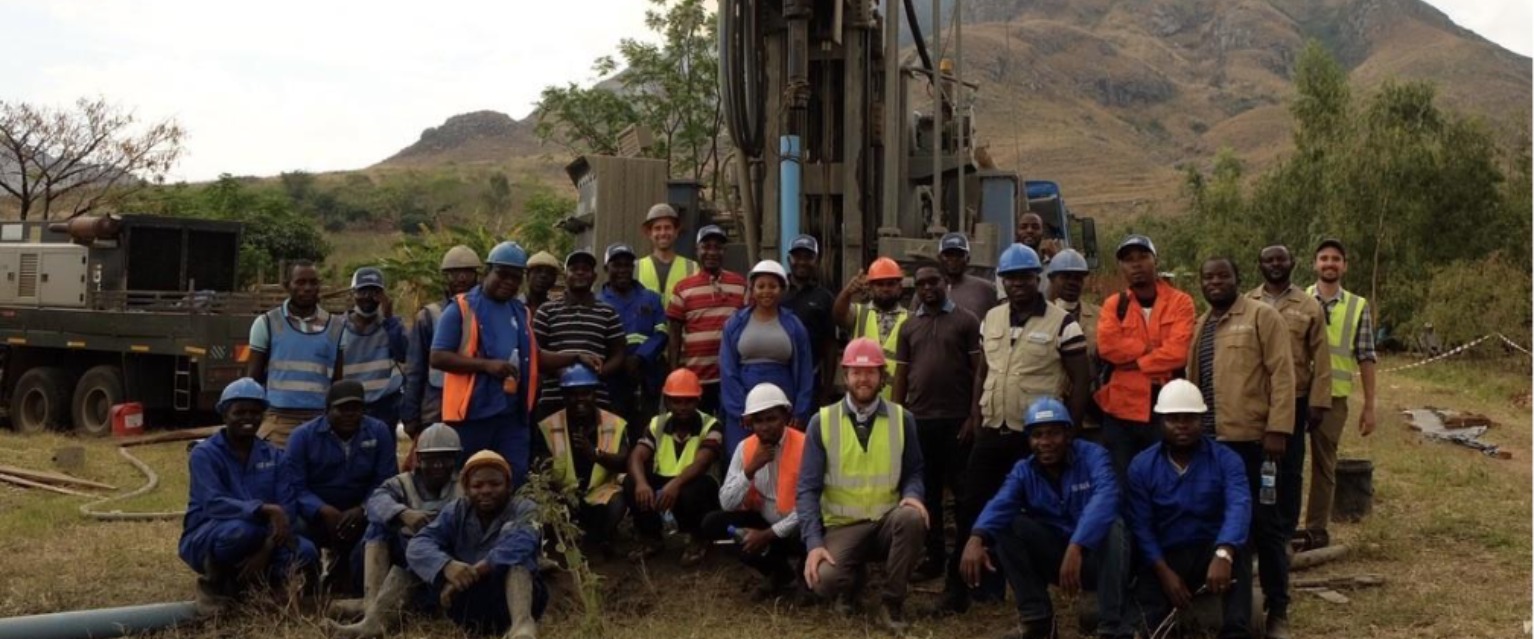
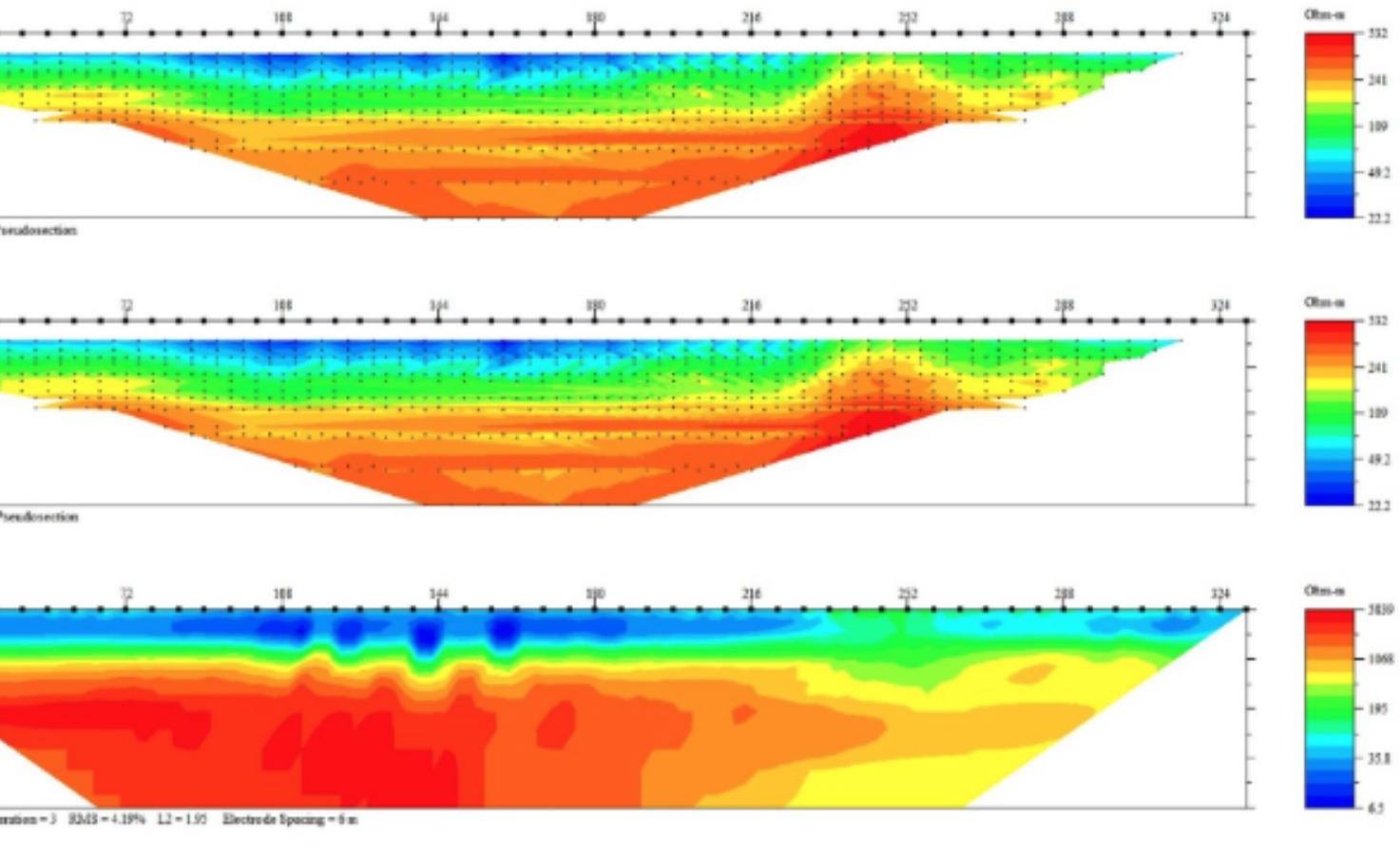
Spheros Environmental (formerly Northwater Consulting) implemented district-scale hydrogeological assessments combined with targeted geophysical investigations to improve borehole siting and drilling outcomes. In Chiradzulu District, the approach included field reconnaissance, mapping of groundwater occurrence drivers, and siting recommendations for communities with previous drilling failures, supported by a tailored electrical resistivity tomography (ERT) program. In Chikwawa District, the work explicitly addressed fresh versus brackish groundwater occurrence through integrated hydrogeological mapping, geophysics, development of drilling specifications, and supervision of exploratory wells. Spheros Environmental also supported the client and the Malawi Government through training and technical backstopping in the application of geophysical methods.
Prime environmental consultant
Results +What makes this unique
The project significantly improved drilling success and well yields in fractured granite aquifers while reducing the risk of intersecting brackish groundwater in Chikwawa District. In Chiradzulu, improved siting reduced failure rates across 30 priority communities. In Chikwawa, the phased approach resulted in one of the highest-yielding freshwater wells in the district, now supplying multiple communities. By integrating salinity risk into siting decisions and pairing applied hydrogeophysics with capacity building, the project delivered both immediate water supply improvements and lasting institutional capability.
Project Experts