
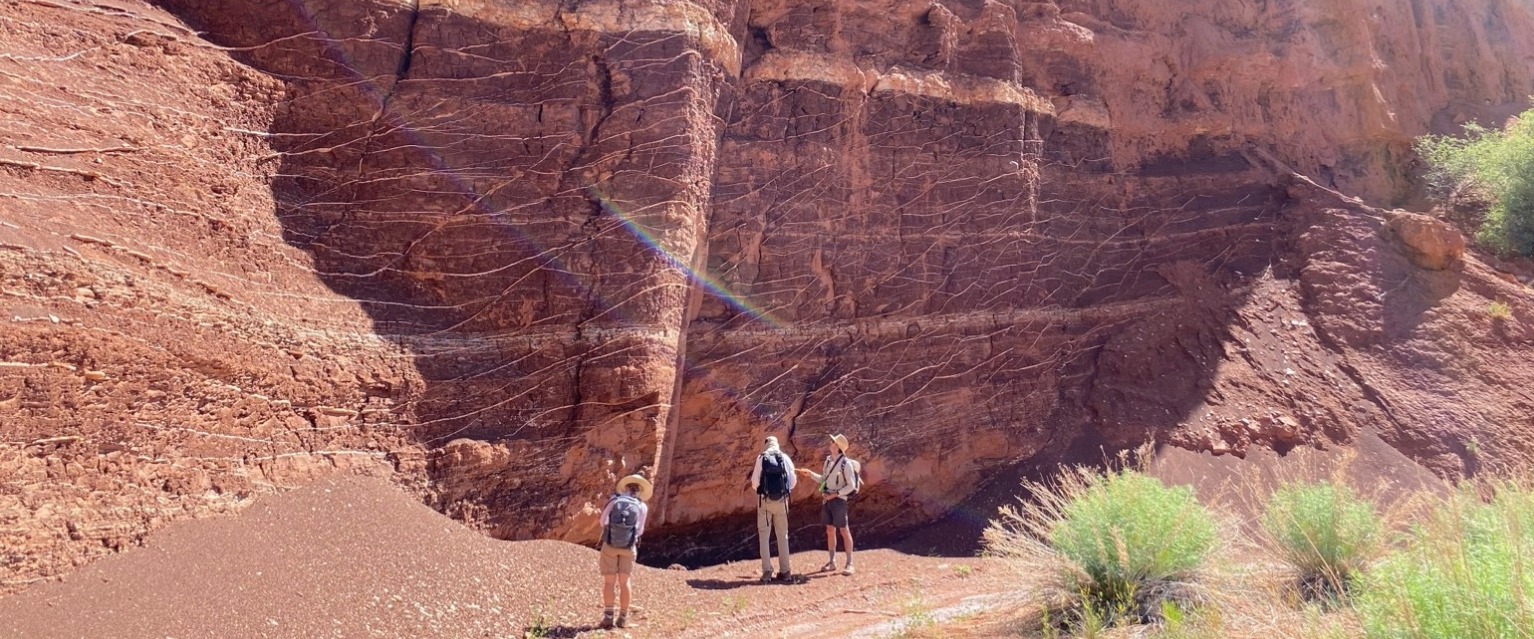
The Challenge
The National Park Service (NPS) Northern Colorado Plateau Network (NCPN) is responsible for studying and monitoring environmental conditions and changes within Park units in the Upper Colorado River Basin, including in Utah and Colorado. The NCPN’s Ground Water Ecosystem Mapping and Monitoring Project’s objective was to establish a baseline for the size and condition of wetlands, seeps, and springs, by which to provide supporting evidence for any future claims of impairment resulting from groundwater management actions. While impairment is determined by the states’ engineers, establishing a baseline by which decreases in wetland species diversity and wetted area could be measured will help the NPS and its co-managers to document impairment and negotiate water allocation and beneficial use of groundwater resources.
Our Solution
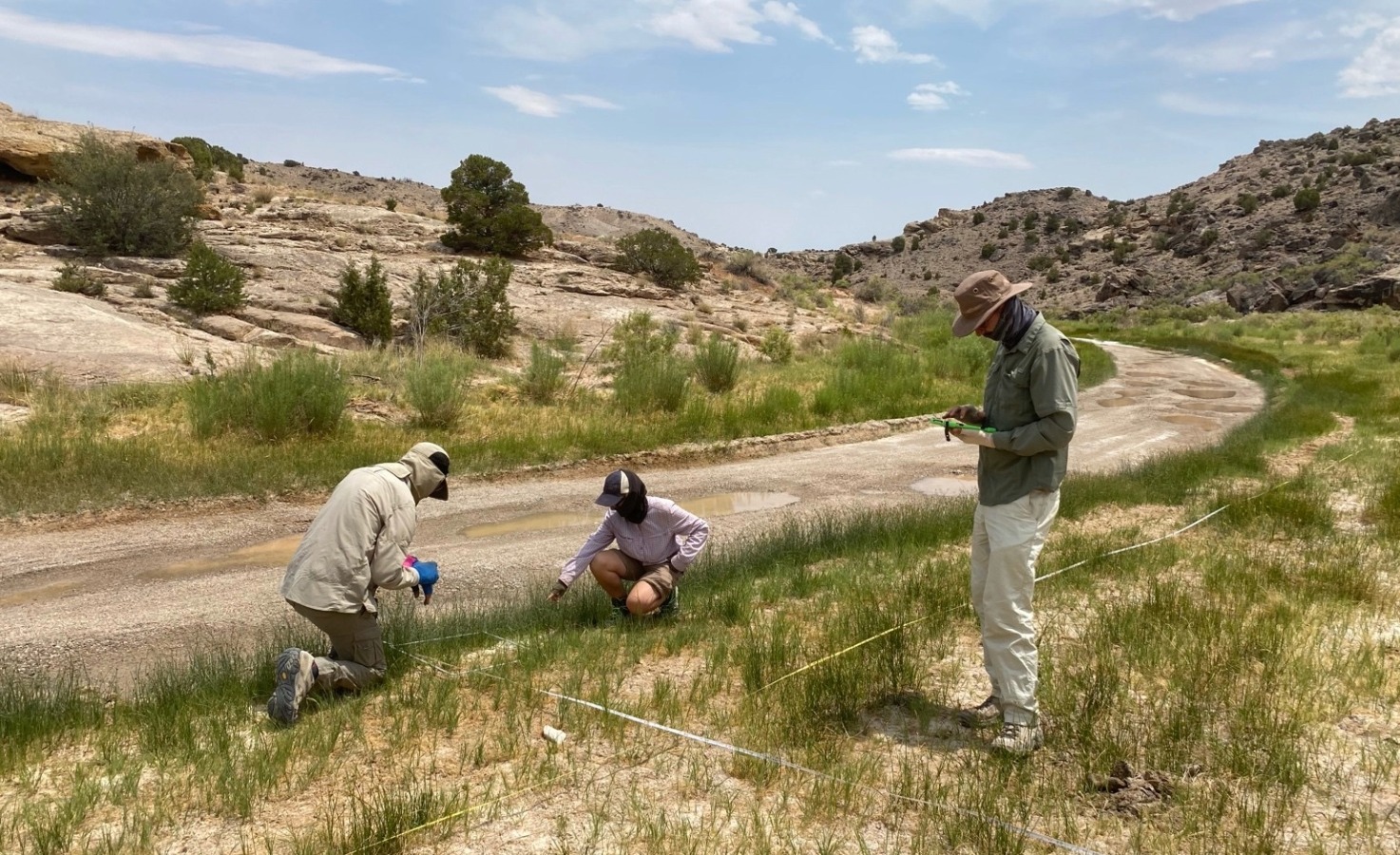
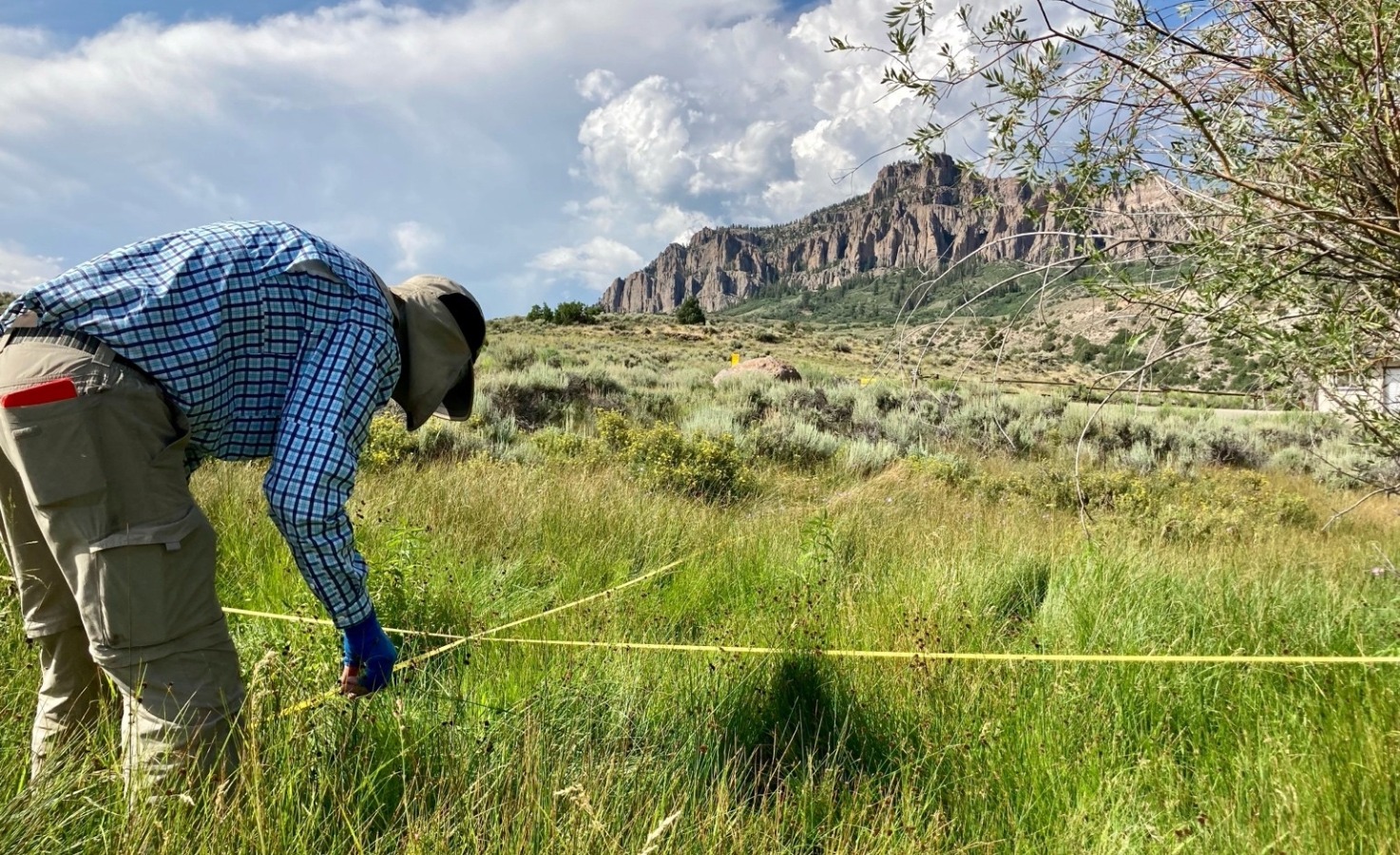
Spheros Environmental (formerly Ironwood Consulting) was contracted to conduct surveys and mapping of springs, seeps and wetlands within seven NPS units within the NCPN. Park units included: Black Canyon of the Gunnison National Park (NP), Bryce Canyon NP, Capitol Reef NP, Cedar Breaks National Monument (NM), Colorado NM, Curecanti National Recreation Area, and Dinosaur NM. Methods involved submeter mapping of spring and wetland areas, inventories of species diversity and density, wildlife usage, and in the targeted spatial frame for each park provided the NPS and NCPN a baseline measure of areas sensitive to drying in order to monitor change over time.
Sole-Source Contractor
Results +What makes this unique
- Development of a refined protocol that outlined specific field methods to address the project objectives and goals of establishing legally defensible baseline data.
- High-level botanical and wetland expertise, as well as the ability to design and implement a detailed and complex protocol that addressed the NPS’s objectives and needs.
- The project involved coordination with the NPS through extensive project planning and by obtaining access and research permits for each park unit.
- Field work required adherence to a rigorous data collection protocol and development and management of a data collection interface and data dashboard.
Project Experts