The Challenge
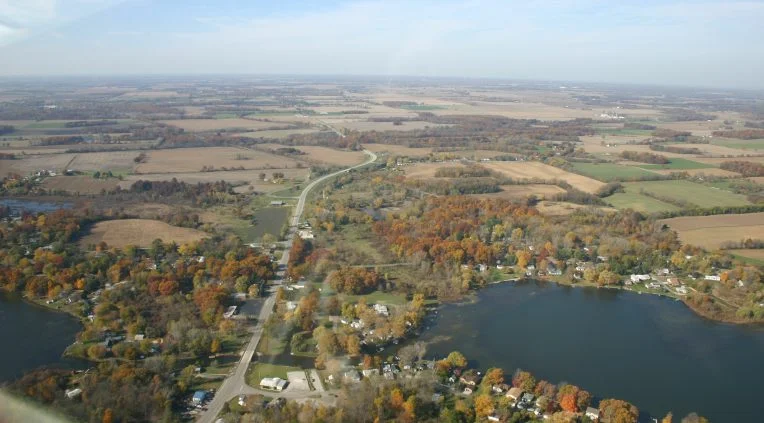
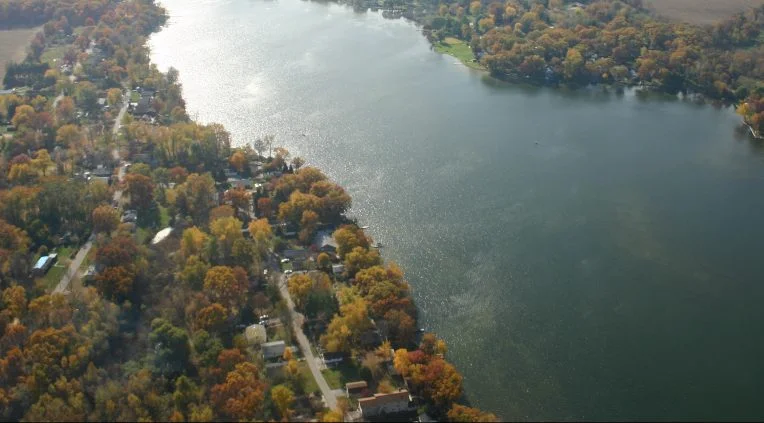
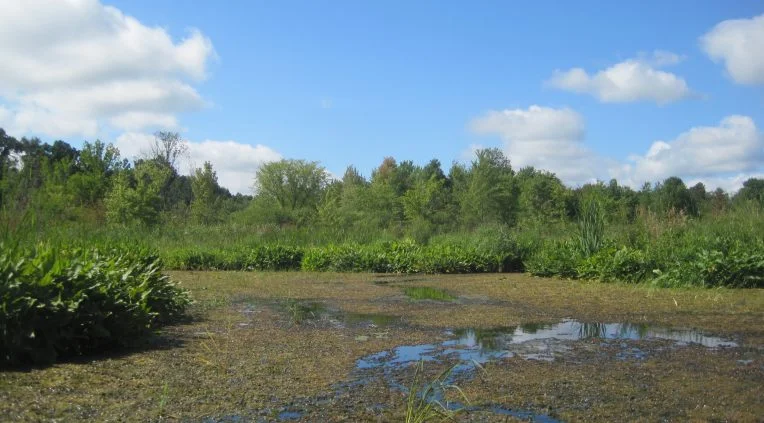
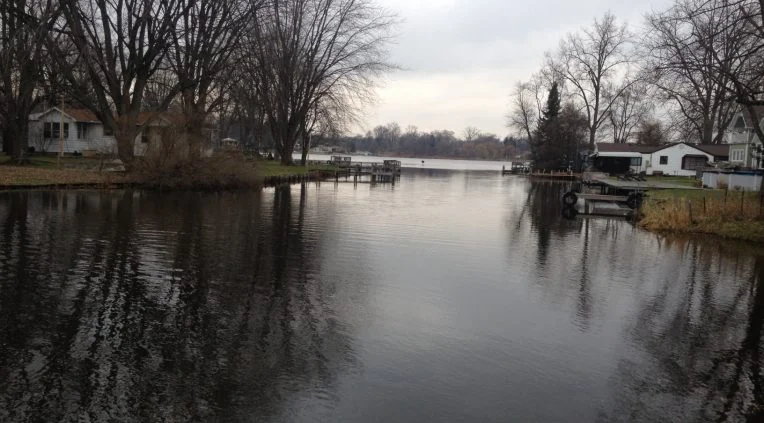
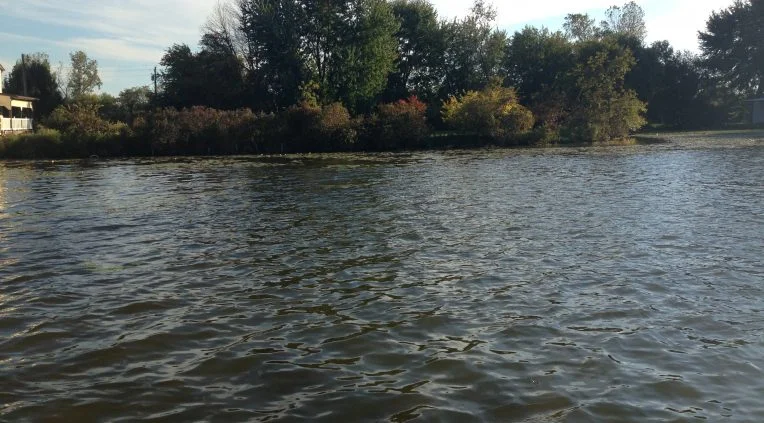
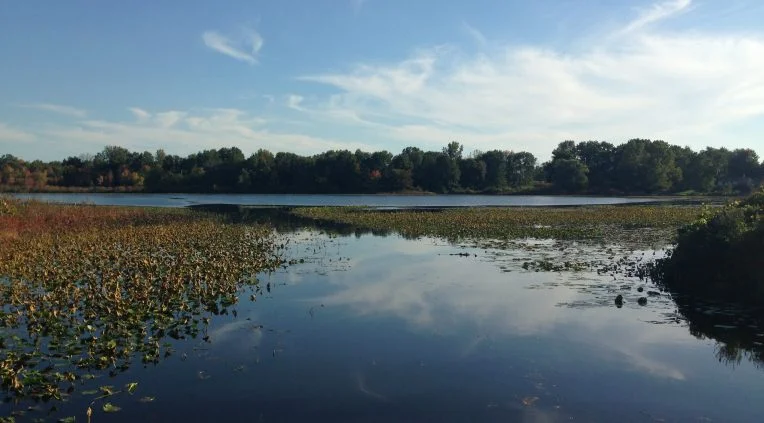
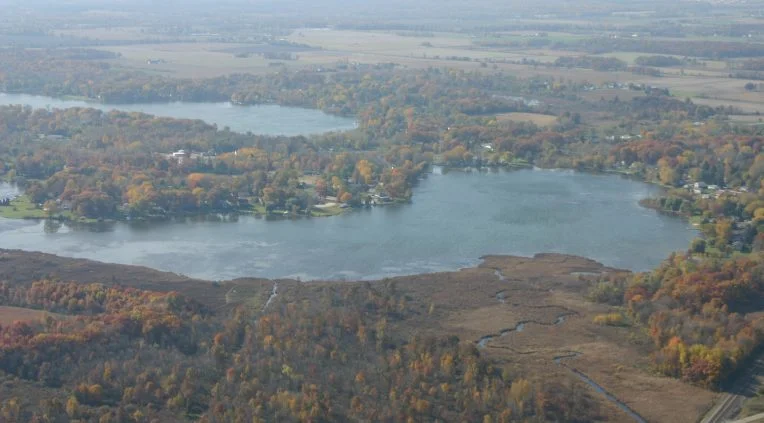
The 6,490-acre Fish Lake watershed in northwest Indiana had experienced increasing concerns related to aquatic vegetation, lake sediment accumulation, and declining fishing quality over several decades. Located within the headwaters of the Kankakee/Iroquois regional basin, the watershed required a comprehensive assessment to better understand the factors affecting lake and watershed health.
The Fish Lake Conservancy District needed a science-based diagnostic study that could characterize existing conditions, identify potential sources of impairment, and establish a framework for long-term lake and watershed management.
Our Solution
Spheros Environmental developed the Fish Lake Chain Watershed Diagnostic Study and Plan, with partial funding provided through the State of Indiana’s Lake and River Enhancement (LARE) program.
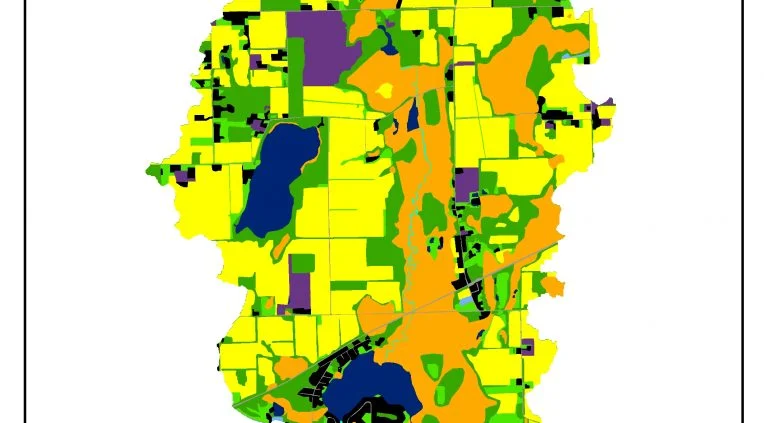
The team conducted detailed watershed characterization, water quality sampling, data mining and analysis, and lake sediment analysis. Spheros also developed a custom land-use mapping layer and pollution-load model to evaluate conditions throughout the watershed and identify appropriate lake and watershed management measures.
Field surveys and modeling were used to translate the assessment into actionable recommendations, resulting in the identification of more than 50 site-specific projects. The team also led and participated in stakeholder and public meetings and coordinated directly with local landowners to incorporate community perspectives into the planning process.
Results +What makes this unique
The Fish Lake Chain Watershed Diagnostic Study provided the Fish Lake Conservancy District with a comprehensive framework for understanding and addressing long-term lake and watershed concerns. By integrating field observations, water quality data, sediment analysis, land-use mapping, and custom pollution-load modeling, the team identified more than 50 site-specific opportunities for improving watershed conditions.
The project was completed within an aggressive schedule and budget while meeting the stringent requirements of Indiana’s LARE program. The work also established a foundation for continued lake management initiatives, including subsequent sediment analysis, sediment management and removal planning, and assessment of potential septic impacts.