The Challenge
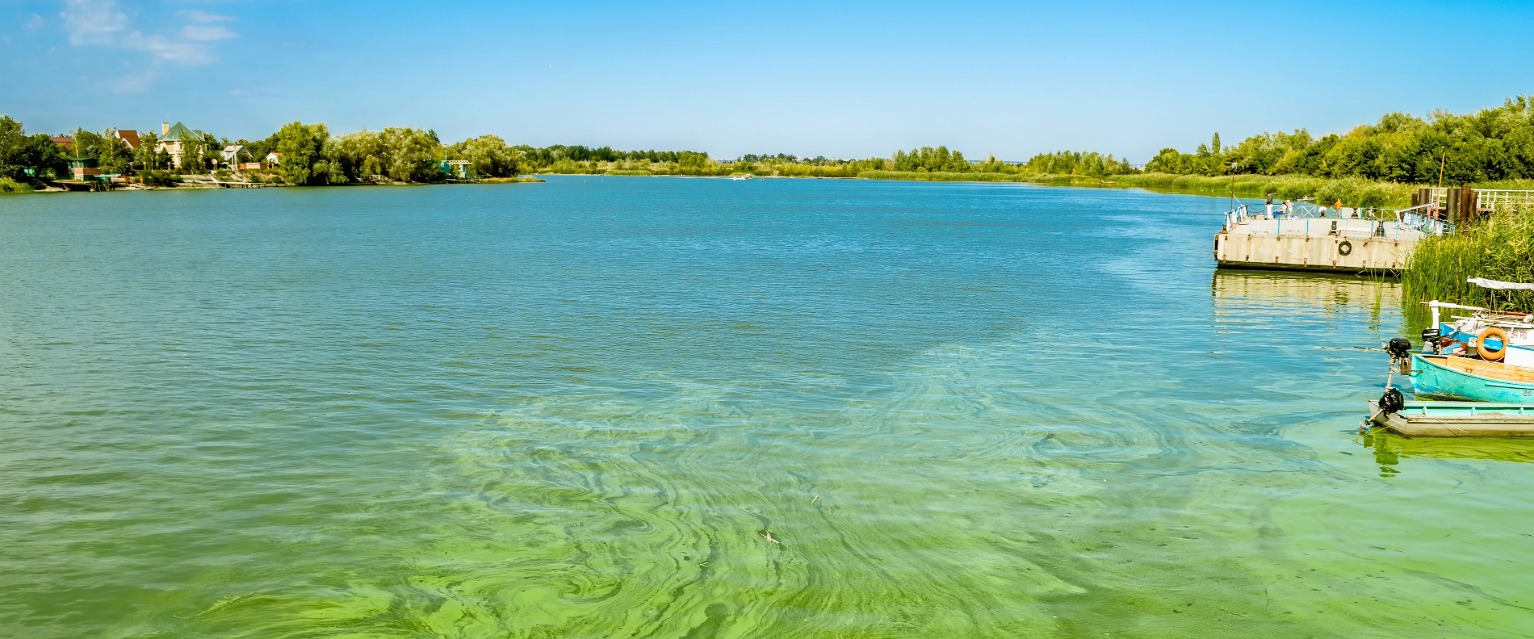
The intention of the Nation Rivers and Streams Assessment is to provide a comprehensive assessment of rivers, streams, lakes, wetlands and coastal waters across the United States, including the province of Guam. The purpose of these assessments is to focus on the conditions of our nation’s water resources and to identify key stressors to these systems. There are 1028 unique sites selected to estimate the status and 709 unique sites that had been sampled for a previous survey.
Our Solution
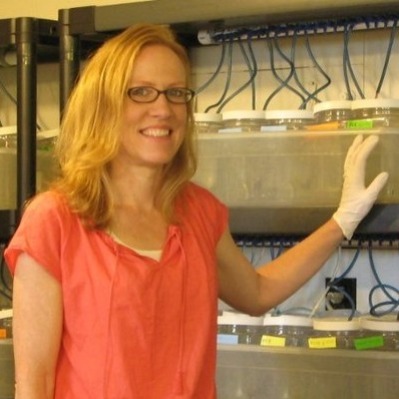
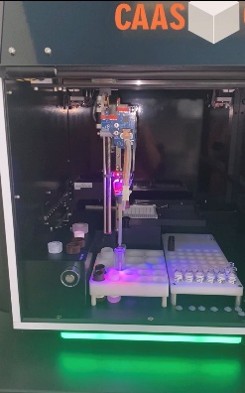
As the HABs (Harmful algal blooms) program director, Nicole Lundgren uses the ELISA (enzyme-linked immunosorbent assay) method, with procedures that follow the EPA Method 546. ELISA is a plate-based technique designed for detecting and quantifying soluble substances such as peptides, proteins, antibodies and hormones. The EPA relies on our lab to analyze algal toxins in the samples. Using this method, our lab received and analyzed over 1,000 samples for Cylindrospermopsin and over 1,600 samples for Microcystins from 2023-present. This is an ongoing project that is expected to continue until 2028.
Results +What makes this unique
The NRSA assessment is designed to assess the current condition of our waters, establish a baseline to compare future rivers and streams surveys for trends, to evaluate changes in the condition of previous assessments and to help build state and tribal capacity for monitoring and collaboration across jurisdictional boundaries.
Harmful algal blooms have been an increasingly important subject to monitor in drinking and recreational waters. The toxins that can be released from these blooms can cause illness and death in humans and animals. Though death is rare in humans, the illness can cause something as simple as a skin rash to serious illness.
Project Experts