
The Challenge
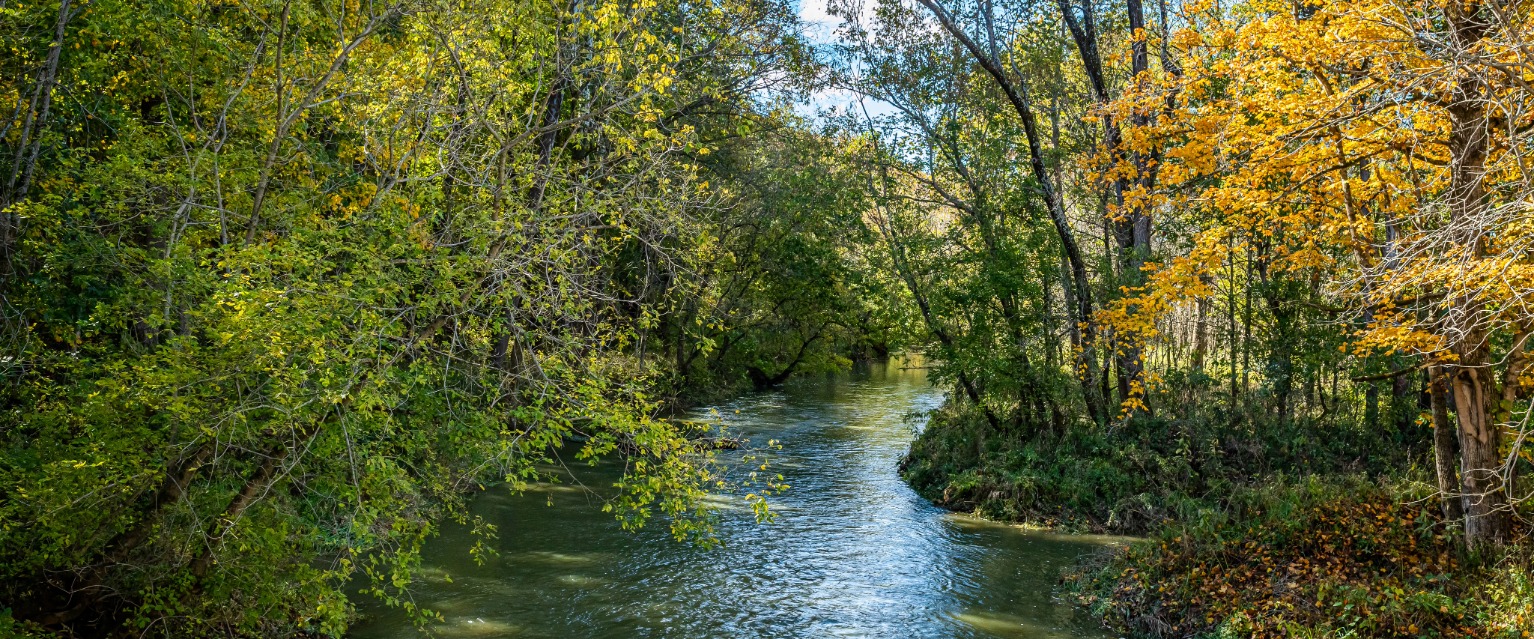
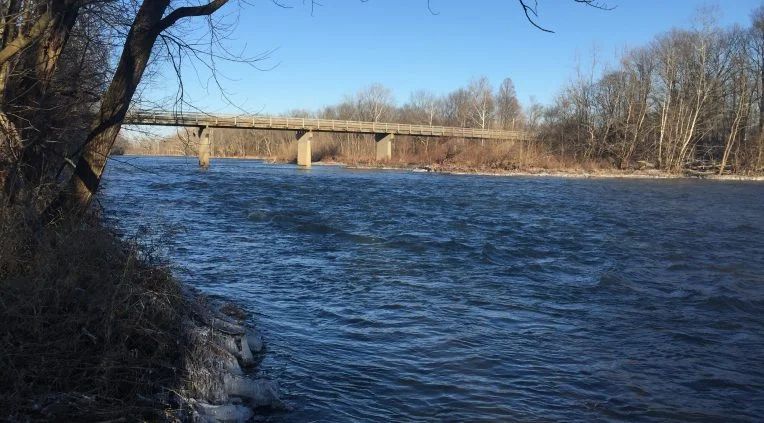
The 107-square-mile Driftwood River watershed in Central Indiana faced several interconnected water quality challenges, including high bacteria loading, significant streambank erosion, and a changing hydrological regime characterized by larger stormflows and decreasing baseflows.
Addressing these issues required a comprehensive understanding of conditions throughout the watershed and a practical strategy for prioritizing improvements. The Bartholomew County Soil & Water Conservation District needed a detailed diagnostic study and plan that could identify sources of impairment, evaluate watershed conditions, and guide future implementation of effective treatment and management practices.
Our Solution
Spheros Environmental served as the lead consultant for development of the Driftwood River Diagnostic Study and Plan, funded through the State of Indiana’s Lake and River Enhancement program.
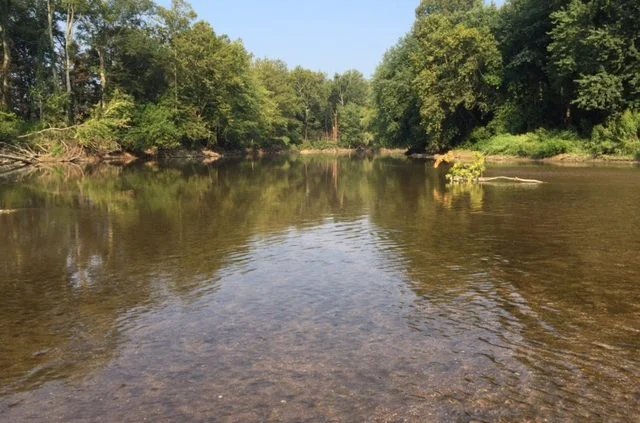
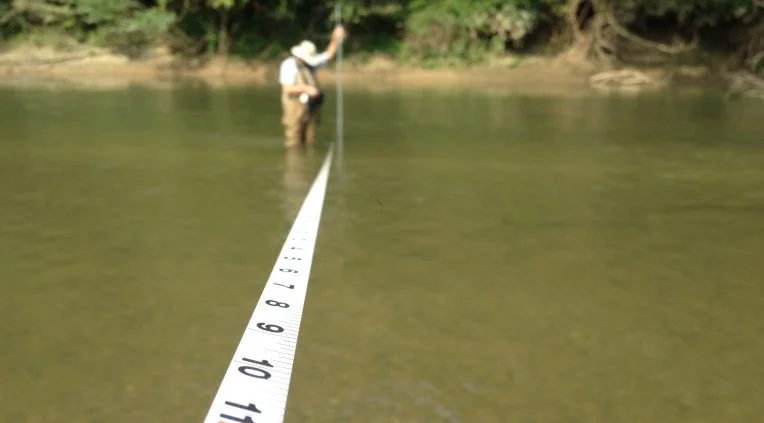
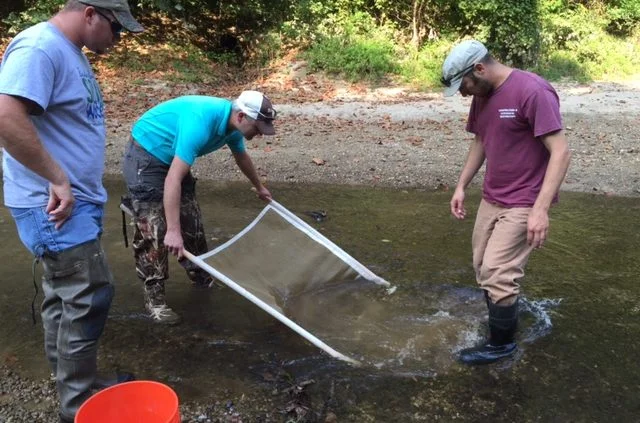
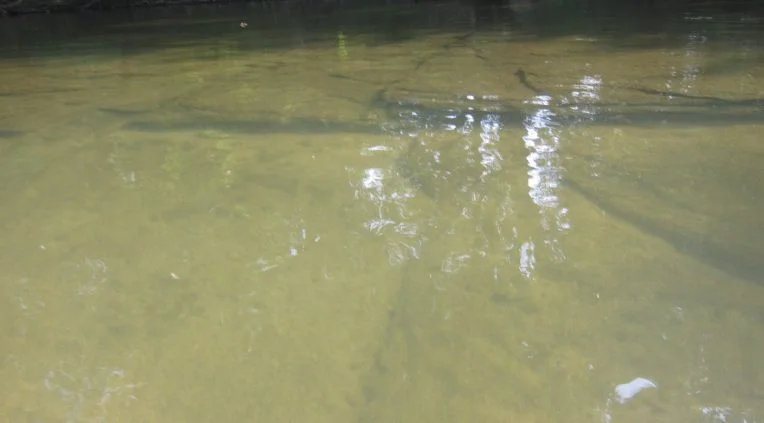
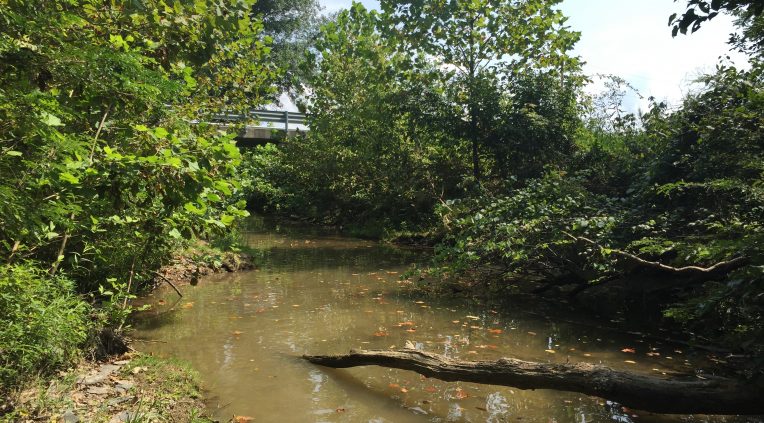
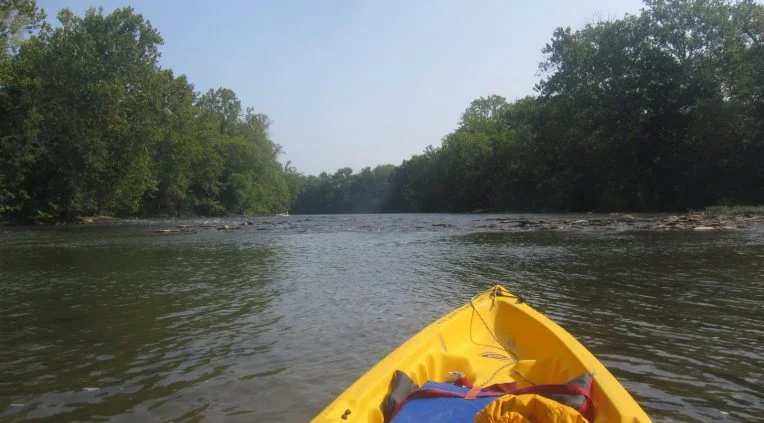
The team conducted detailed watershed characterization, water quality sampling, data mining and analysis, streambank erosion assessments, and extensive field evaluations of existing conditions. Spheros also developed a custom pollution-load model incorporating advanced geospatial analysis to better understand pollutant sources and identify appropriate stream and watershed management measures.
The analysis resulted in the identification of more than 200 site-specific projects designed to address water quality and watershed concerns. Throughout the project, the team coordinated closely with local landowners, agencies, and stakeholders and led or participated in stakeholder and public meetings to incorporate local knowledge and priorities into the planning process.
Prime
Results +What makes this unique
The Driftwood River Diagnostic Study and Plan provided a detailed, science-based framework for addressing water quality challenges across the 107-square-mile watershed. By combining field assessments, water quality data, custom pollution-load modeling, and advanced geospatial analysis, the team identified more than 200 site-specific projects and helped prioritize management measures where they could provide meaningful watershed benefits.
The project was completed within an aggressive schedule and budget while meeting stringent State of Indiana requirements. Its combination of technical watershed analysis, site-specific recommendations, and extensive stakeholder coordination provided the Bartholomew County Soil & Water Conservation District with an actionable roadmap for implementing future water quality improvements.