
The Challenge
The city of Dame-Marie, a remote community of approximately 28,000 residents in Haiti’s Grand’Anse department, needed a safe and sustainable water supply capable of meeting both current needs and future growth. The community required approximately 50 cubic meters of water per hour, or 225 gallons per minute.
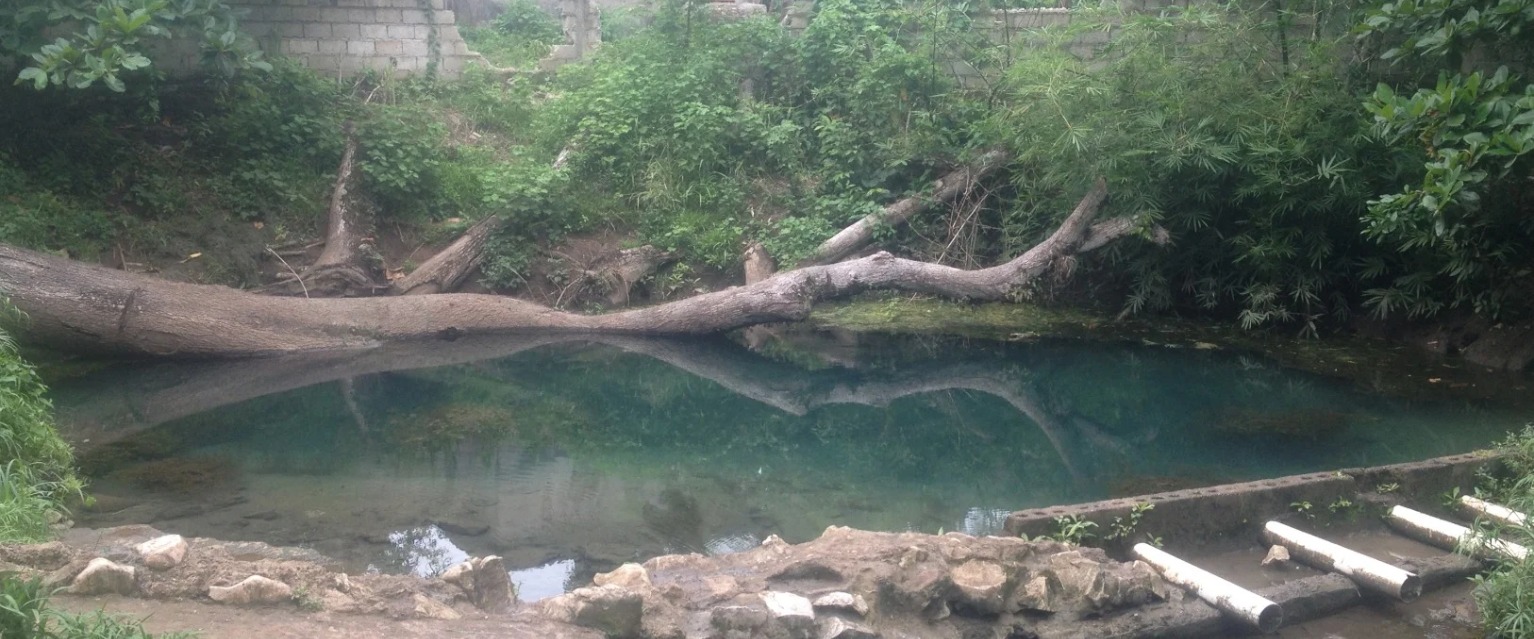
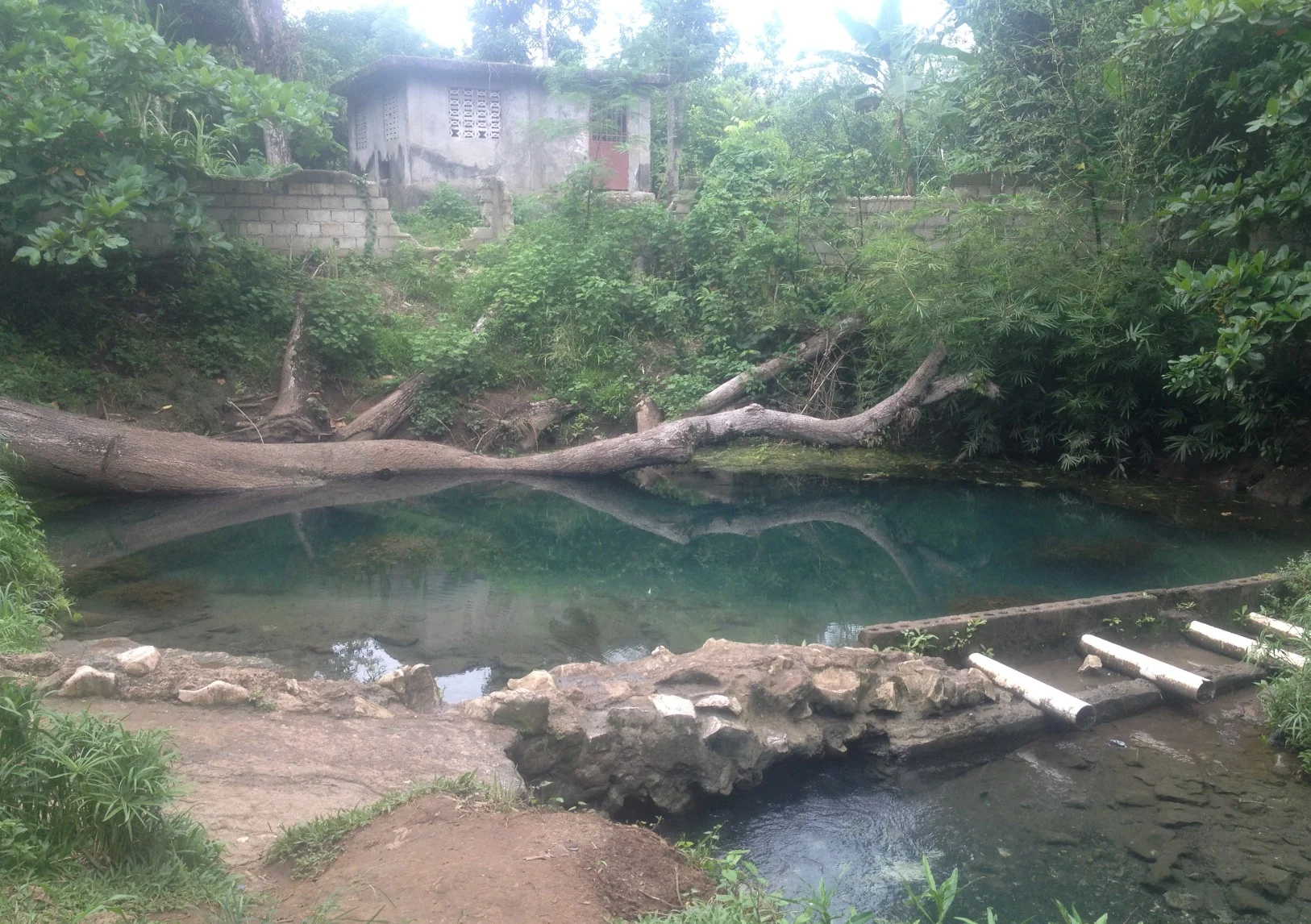
Dame-Marie’s existing water system relied on a large spring that had become increasingly vulnerable to contamination from an adjacent river during flooding events. The community’s remote location and difficult access added complexity to identifying and developing a reliable alternative water source.
Our Solution
Spheros Environmental supported DINEPA in evaluating the area’s groundwater resources and developing a strategy for a new, sustainable water supply. The investigation combined geological reconnaissance, hydrochemical water analysis, and two geophysical methods to characterize subsurface conditions and identify opportunities for groundwater development.
The team characterized the hydrogeological setting of Dame-Marie, developed a recommended drilling strategy for a high-capacity production well, and evaluated aquifer sustainability and the potential for saltwater intrusion. Spheros also provided hydrogeological expertise during well drilling and testing to help confirm the viability of the new water source.
The project was funded by the Inter-American Development Bank (IADB), with the project team working alongside Haiti Foratech and V3.
Prime / Principal Investigator
Results +What makes this unique
The investigation resulted in the successful development of a high-capacity water well capable of supporting Dame-Marie’s current water demands and future growth.
Working in one of Haiti’s most remote and difficult-to-access communities, the team integrated hydrogeology, geophysics, water chemistry, and field oversight to move from subsurface investigation to a viable water supply solution. The project demonstrates Spheros’ ability to apply multidisciplinary water resource expertise in challenging environments while helping communities build more resilient and sustainable essential infrastructure.