The Challenge
The City of Verndale needed to evaluate options for expanding its municipal water supply near a new water treatment plant. Identifying a suitable location for an additional supply well required a better understanding of local groundwater conditions and the aquifer’s ability to support the City’s water needs.
The investigation also had to work within a constrained project area, with potential well locations limited to three small footprints outside required property-line and sewer setbacks and the footprint of the water treatment plant under construction.
Our Solution
Spheros Environmental provided hydrogeologic support to evaluate potential locations for an additional municipal water supply well.
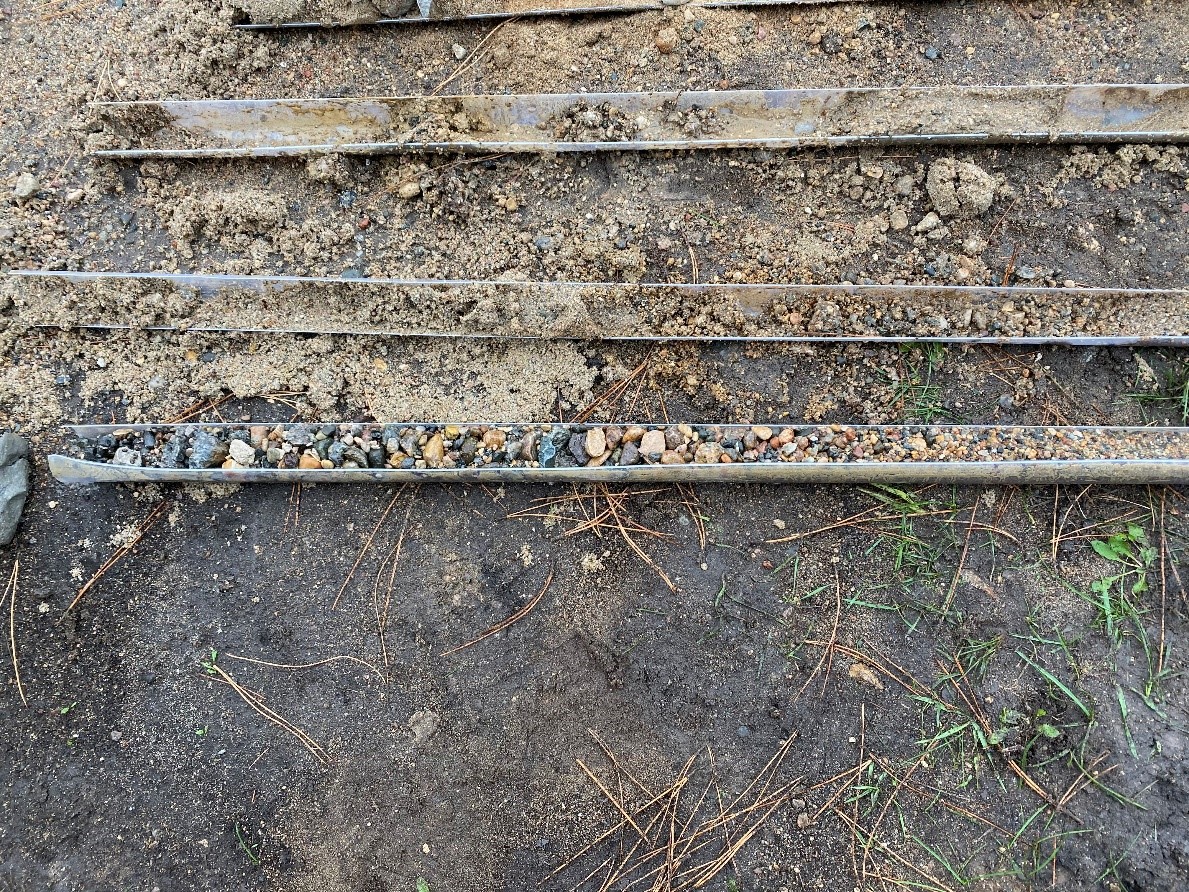
The team assisted with test hole drilling at potential well locations and used the resulting subsurface information to identify the preferred location for a test well. Following site selection, Spheros supported construction of the test well and conducted short-term aquifer testing to evaluate groundwater conditions and potential well performance.
Aquifer pumping tests were used to estimate the test well’s specific capacity as well as key aquifer parameters, including transmissivity and storativity. The team also evaluated the potential for a future well field to provide a combined pumping capacity of approximately 230 gallons per minute.
Hydrogeologic Consultant
Results +What makes this unique
The hydrogeologic investigation provided the City and its engineering team with the technical information needed to evaluate development of an additional municipal water supply well. By combining targeted test drilling, test well installation, and aquifer pumping analysis, the team was able to assess both individual well performance and the potential capacity of a future well field.
The project demonstrates Spheros’ ability to conduct focused groundwater investigations within constrained sites while generating practical data for municipal water supply planning. The evaluation of specific capacity, transmissivity, storativity, and a potential 230-gallon-per-minute well field provided a technical foundation for informed decisions about the City’s future groundwater infrastructure.