The Challenge
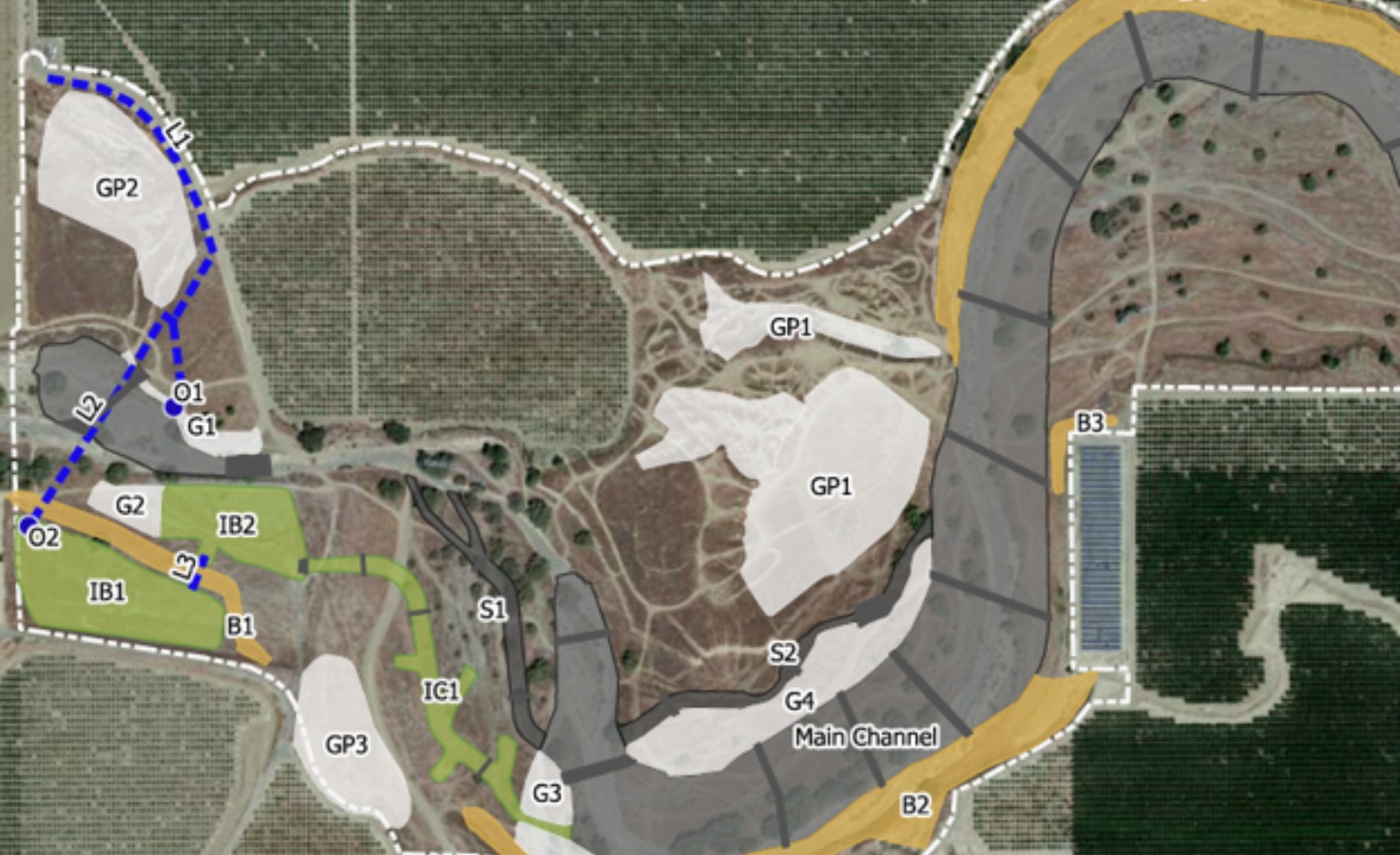
Catalyst Companies sought to evaluate the feasibility of an artificial aquifer recharge concept along a 185-acre area in the Pleasant Valley Subbasin. Feasibility depended on understanding a heterogeneous subsurface, including a discontinuous fine-grained layer separating shallow alluvium from a deeper, more permeable gravels, and on estimating expected infiltration potential with limited field data.
Our Solution
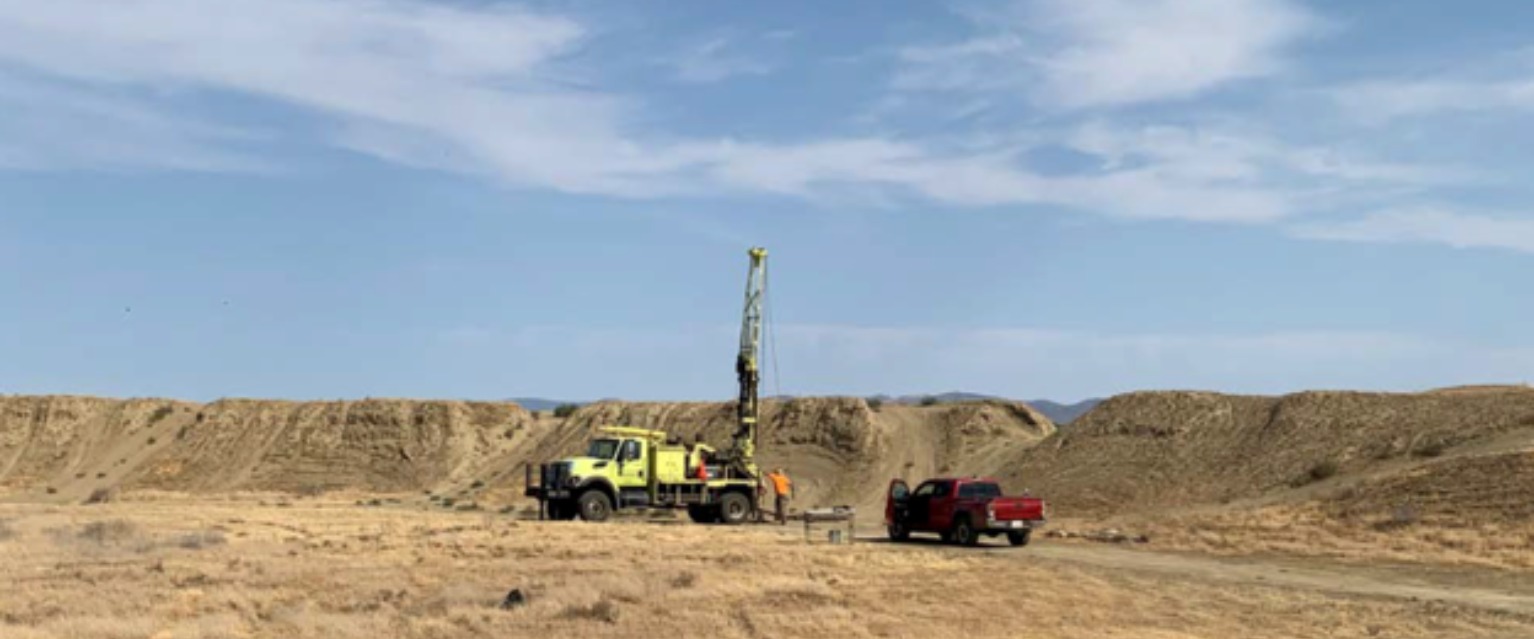
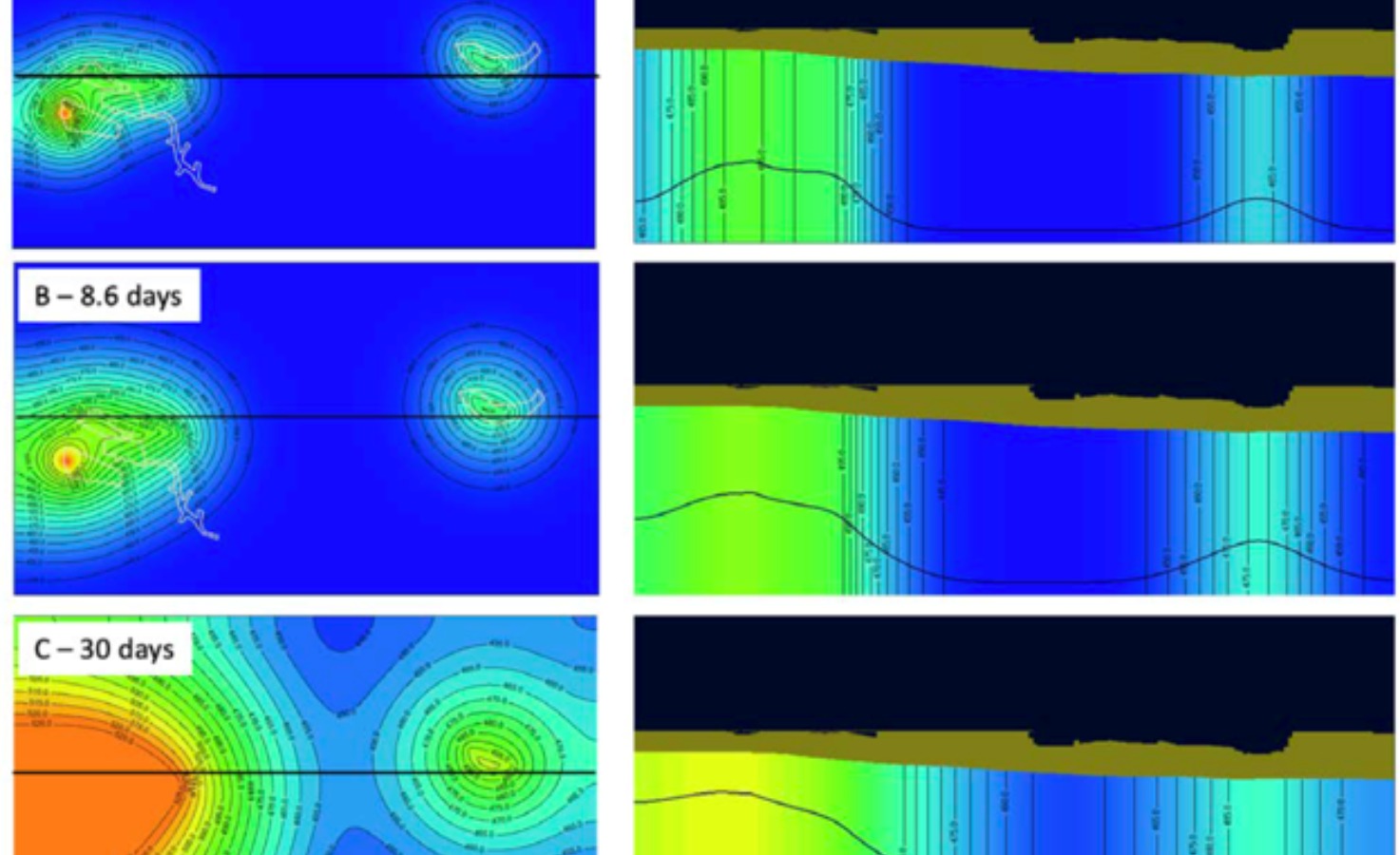
Spheros Environmental led a two-phase field investigation comprising 31 boreholes, in-situ permeability testing, particle-size analysis, and borehole infiltration tests to characterize subsurface conditions and define a three-layer hydrostratigraphic model. We developed a numerical seepage model using MODFLOW with Streamflow Routing and Unsaturated Zone Flow packages to simulate transient seepage under baseline and proposed project conditions. Model assumptions, data limitations, and key uncertainties were documented to support appropriate use of results for informing next steps of project development.
Prime
Results +What makes this unique
The investigation identified a discontinuous, debris-flow deposit beneath the site that was limiting recharge potential. Our unique groundwater modeling approach showed that strategically removing this layer at strategic locations could significantly enhance recharge in quantities that could warrant further investment.
Project Experts