
The Challenge
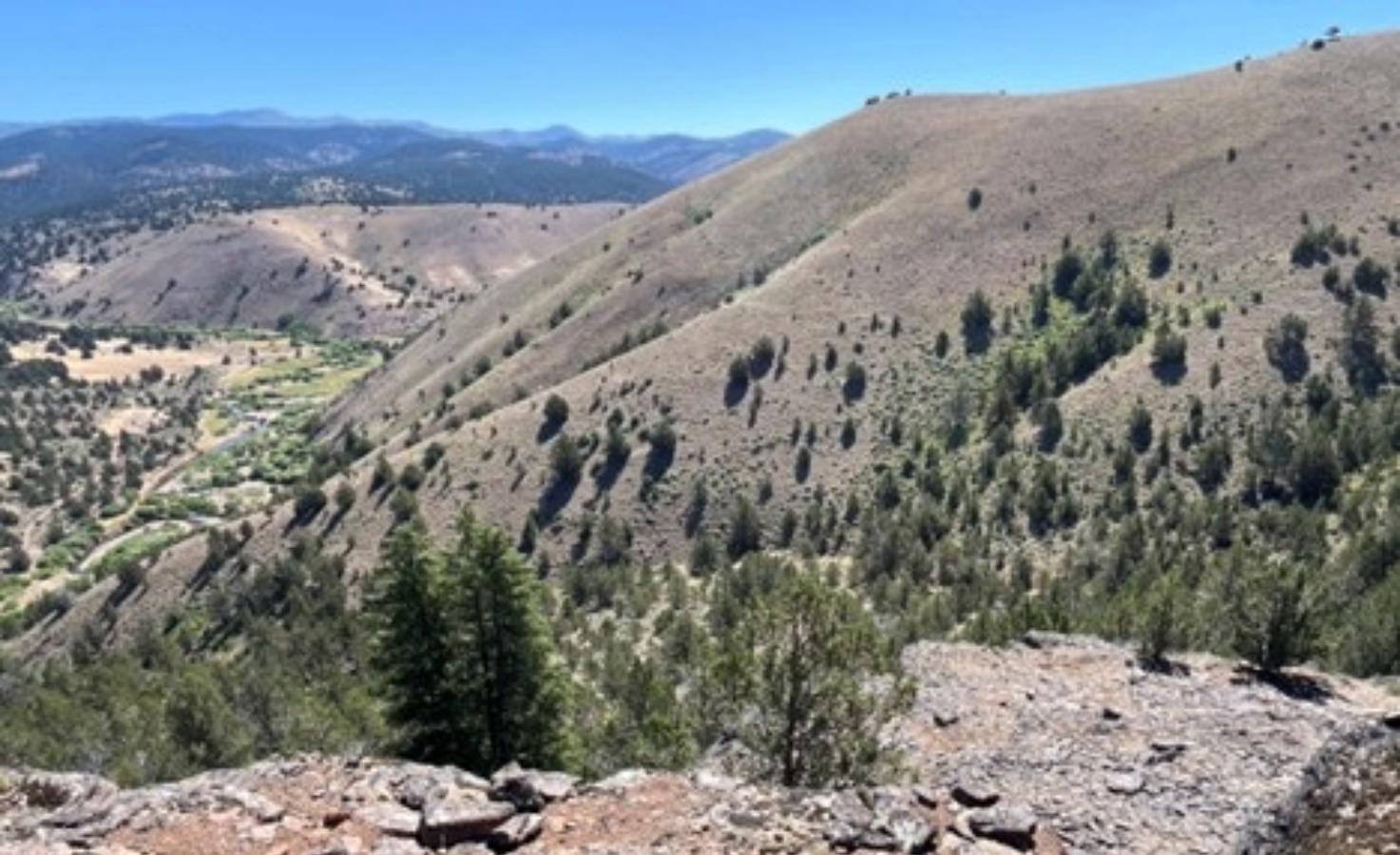
The Bureau of Land Management (BLM) – Boise Field Office is implementing vegetation management activities to improve habitat for greater sage grouse (Centrocercus urophasinus) across a 1.67-million-acre area of public lands in southwestern Idaho. The greater sage grouse was proposed for listing under the federal Endangered Species Act (ESA) and is continuing to experience habitat loss due to habitat conversion from development and encroachment by competing vegetation species, such as western juniper. Management of juniper within focal treatment areas is intended to improve the structure of big and low sagebrush communities that provide essential habitat for sage grouse. Prior to undertaking vegetation treatment actions, the BLM works with private consultants to collect baseline condition information relating to sensitive environmental resources to identify avoidance and minimization measures. This project also requires close collaboration with private landowners and local, state, and federal agencies.
Our Solution
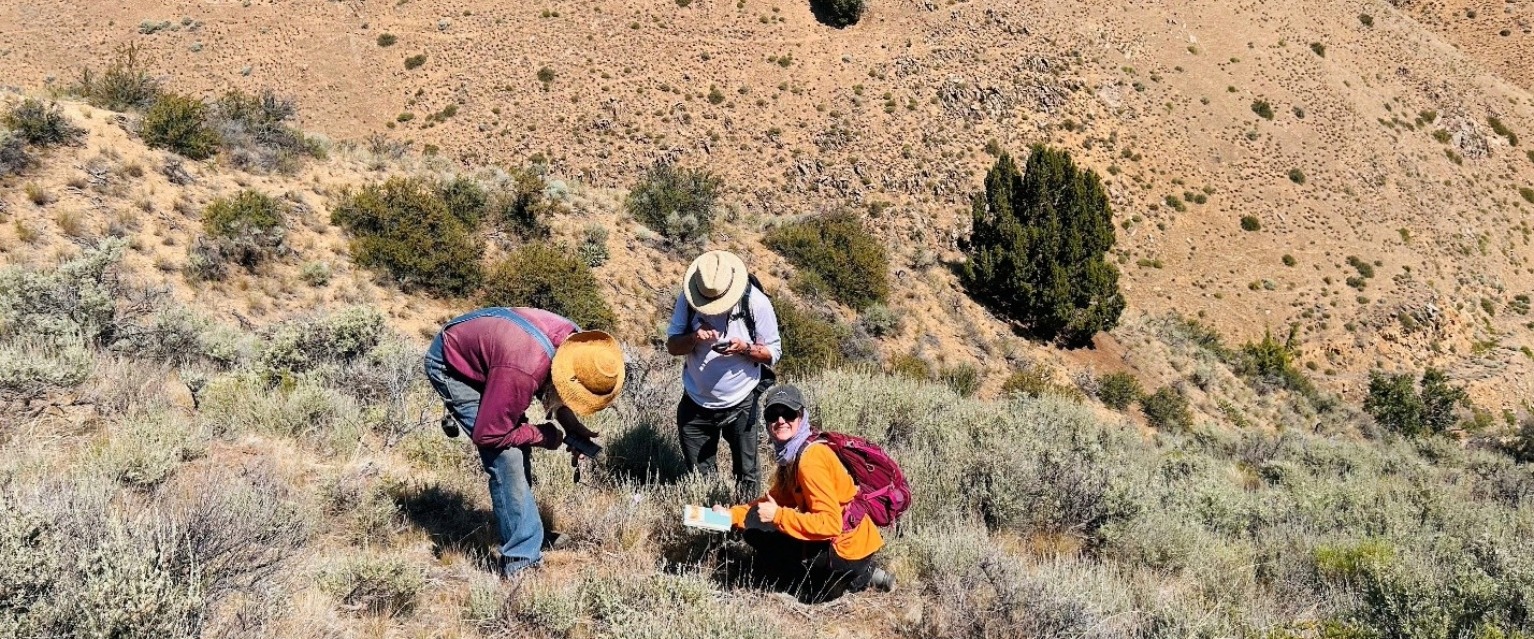
Spheros Environmental (formerly Ironwood Consulting) was contracted by the BLM to perform botanical surveys on over 30,000 acres of land proposed for vegetation treatments. A team of fourteen botanists collected spatial data and information regarding sensitive and rare plant occurrences and noxious weeds over six weeks. All surveys were performed on foot and required traversing extremely steep and technical terrain in one of the most remote areas of the U.S. Due to the remoteness of the survey area, which required camping for days and weeks at a time, field crews were required to troubleshoot issues relating to access and technology on the fly. Over the course of the survey period, the field team successfully recorded 41 new (not previously recorded) populations of three rare plant species, including Idaho milkvetch (Astragalus conjunctus var. conjunctus), shortlobed penstemon (Penstemon seorsus), and thinleaf goldenhead (Pyrrocoma linearis). Each newly identified population consisted of one to dozens of subpopulations. Spheros also collected information on old growth juniper stands, cultural resource artifacts, and habitat conditions.
Sole-Source Contractor
Results +What makes this unique
Spheros Environmental summarized their findings in a detailed report and comprehensive data deliverables. In order to streamline data integration with the BLM and Idaho Fish and Game sensitive resource tracking systems, Spheros developed a GIS-based data collection platform in FieldMaps which complimented an existing Survey123 data form. Using the spatial data and associated reporting, the BLM will move forward with juniper management on 28,000 acres of surveyed land in spring and summer 2026. This project emphasized the value of Spheros highly skilled and resourceful field biology and GIS teams to ensure streamlined natural resource data collection within a short-time window.
Project Experts